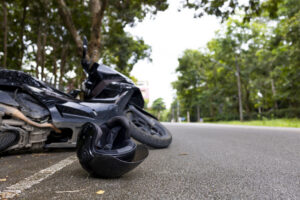

You wake up to clear weather and a comfortable 70 degrees. A perfect day to ride your motorcycle, whether a 2003 Harley-Davidson Road King or a Triumph Bonneville T120. But be careful on the roads. Motorcycle riders are five times more likely to be injured than car passengers (National Highway Traffic Safety Administration).
Helmets and appropriate protection only go so far. Stay aware of the most common types of motorcycle accidents, because you don’t know when it could happen to you.
1. Left-Turn Collisions (The Intersection Trap)
The most dangerous motorcycle crash occurs when a vehicle turns left in front of an oncoming rider. Drivers often misjudge a motorcycle’s speed or fail to see them entirely. If a car turns in front of you at an intersection, the driver is almost always at fault.
2. Blind Spot and Sideswipe Collisions
Unfortunately, sideswipes are all too common. A driver drifts into your lane, striking you or forcing you off the road. Most of the time, it’s not intentional negligence. Their blind spot just blocks you from view.
Look for signs that a car is changing lanes, including turn signals or the driver turning their head. Vehicle drivers have a responsibility to check their blind spots. “I didn’t see them” is not a legal excuse for running a rider off the road.
3. Alcohol and Drug Impairment
While you ride sober, others don’t. Drunk drivers have slower reaction times and poor depth perception. They’re a lethal threat to innocent riders like you. If a drunk driver struck you, we fight to secure punitive damages to hold them fully accountable.
4. Road Hazards
Motorcycles are more sensitive to road conditions than cars. Potholes, uneven pavement, or gravel left behind by construction crews can cause a catastrophic crash. The city or a private contractor may be liable for your injuries.
5. Hit-and-Run Accidents
If a driver hits you while you’re on the road, you’d hope that they’d stay at the scene. Unfortunately, that’s not always the case. While it won’t make everything right, purchasing underinsured/uninsured motorist insurance can help compensate you.
6. Speeding and Aggressive Driving
When car drivers speed, they lose the ability to react to motorcycles sharing the lane. Aggressive “cagers” who tailgate or weave through traffic put every rider at risk.
What to Do After a Motorcycle Crash
A motorcycle accident happens in the blink of an eye. The repercussions can last for a lifetime. Take these steps after an accident involving a motorcycle.
1. Seek Medical Treatment
Your safety should always come first. Even if you feel “okay”, you should receive medical care. Any records will strengthen your claim. We’ve handled and won cases with the following injuries after a motorcycle crash.
- Traumatic Brain Injuries (TBI)
- Catastrophic Wounds
- Spinal Cord Injuries
- Wrongful Death
2. Collect Evidence
If possible, you or a loved one should collect evidence of the scene. Your goal is to gather any documentation that supports your claim.
- Take photos of the motorcycle, the other vehicle, and the road conditions.
- Get witness names and phone numbers.
- Keep any riding gear as evidence.
3. Report the Accident
Report the accident to the appropriate authorities. However, we don’t recommend speaking to any insurance companies without hiring an attorney. Anything you say could be used against you.
Contact a Motorcycle Accident Attorney
A beautiful day and a daytime ride turned into a disaster. You need a legal team you can trust. With more than 20 years of experience, we have the skills and resources you need.
At Alexander Shunnarah Trial Attorneys, we’ve recovered $2 billion for more than 250,000 clients. Imagine what we could do for you or a loved one. Book your free case review today.