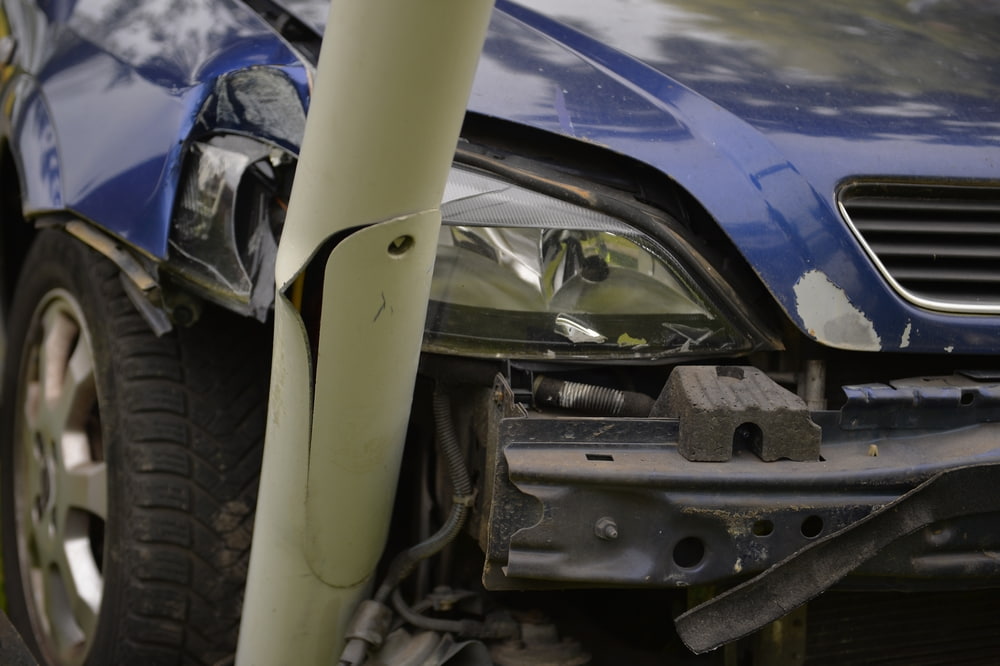

Car accidents typically occur when other drivers violate the rules of the road, like driving recklessly. Collisions and accidents destroy lives in seconds. In this blog, our firm will explain how car accidents occur and the essential steps to take.
How Car Accidents Occur
Car accidents often result from the negligence of other drivers, who may fail to drive safely and responsibly. Here are some of the most common ways that driver negligence leads to car accidents:
Distracted Driving
One of the leading causes of accidents is distracted driving. This includes activities like texting or talking on a cell phone, adjusting the radio, or eating while driving.
Speeding
Speeding affects a driver’s ability to react to sudden changes in traffic conditions. Speeding drivers often cannot stop in time to avoid collisions or navigate turns safely, leading to crashes.
Drunk or Drugged Driving
Driving under the influence of alcohol or drugs impairs judgment, reaction times, and coordination. Drivers struggle to make safe decisions and respond accordingly.
Reckless Driving
Reckless driving includes behaviors like tailgating, aggressive lane changes, and running red lights. Drivers who exhibit reckless behavior put themselves and others at risk of accidents.
Fatigued Driving
Fatigue impairs a driver’s alertness and reaction times. Drivers who are drowsy may fall asleep at the wheel or struggle to stay focused, which can lead to accidents.
Poor Weather Conditions
Not adjusting one’s driving in poor weather conditions is neglectful. A driver should always account for the weather and potential hazards.
Essential Steps to Take After a Car Accident
Taking the right steps after a car accident is crucial. You need to protect your rights and ensure that you receive proper compensation for your injuries. Here’s a guide to the most important steps to follow.
Seek Medical Care
Even if you feel “okay” after the accident, you should seek medical treatment. Some injuries, like whiplash or internal damage, may not appear until much later. Follow up with your doctor as needed and attend all scheduled appointments.
Contact Law Enforcement
Report the accident to law enforcement and file a police report. If possible, swap contact information with other parties involved in the accident. You should also swap insurance information, but don’t talk to any companies without legal representation.
Speak with an Experienced Car Accident Attorney
Meet with an experienced personal injury lawyer. An attorney could help you through the claims process and negotiate with insurance companies.
Notify Your Insurance Company
Report the accident to your insurance company as soon as possible. Provide them with accurate information about the accident and your injuries. Avoid admitting fault or making incriminating statements.
Gather and Preserve Evidence
Collect as much evidence as possible for the scene of the accident. This includes medical records, repair estimates for your vehicle, and receipts for any out-of-pocket expenses. If you have photographs from the accident scene or witness statements, keep these as well.
Document Your Injuries and Recovery
Maintain a personal injury journal to track how the car accident affects your daily life. Document physical pain and emotional distress. This record can provide valuable insight into how the accident affected your well-being.
Avoid Social Media
Be cautious about posting details of the accident or your recovery on social media. Insurance companies may watch your online activity to challenge your claim.
Keep Records of Your Finances
Track all financial losses resulting from the accident. This includes lost income, medical bills, and any other expenses. Documentation is important for determining your total compensation.
How to Prove Negligence in a Car Accident
You must prove four key legal elements: duty of care, breach of duty, causation, and damages. Here is a breakdown of each element and how you, or your attorney, could prove it.
Duty of Care
You need to show that the responsible driver owed a legal duty of care. This means that all drivers have a responsibility to drive safely and follow traffic laws. Prove this by showing that the driver was responsible for meeting those regulations.
Breach of Duty
Next, you need to prove that the driver breached this duty of care. A breach occurs when a driver fails to meet the expected standard of care. For example, if the driver was speeding and ran a red light, they broke safety regulations.
Cause
The third element is linking the car accident to your injuries. The driver’s poor behavior should’ve caused the crash and your wounds.
Damages
Finally, you need to prove that you suffered damages as a result of the accident. Damages refer to the losses you experienced, like medical bills, property damage, and lost income. You can prove damages by providing documentation like hospital records and vehicle repairs.
How Much Compensation Can You Recover in a Car Accident Case?
Several factors influence the compensation you can recover in a car accident case:
- Severity of injuries
- Medical expenses
- Effect on earning capacity
- Pain and suffering
- Insurance policy limits
Consider these factors and gather comprehensive evidence. That will help secure fair compensation for your car accident case.
Contact an Experienced Car Accident Lawyer Today
Did a car accident hurt you or a loved one? You may be eligible for compensation. Contact our legal team at Alexander Shunnarah Trial Attorneys today. Your first consultation is always free.