
Alabama is a diminished value state. If another driver damaged your car, you may be entitled to recover the loss in your vehicle’s resale value. Yes, even after repairs. This right comes from Alabama case law, including the 1992 decision in King Motor Co., Inc. v. Wilson. Read further to learn more about diminished value claims in Alabama.
What You Should Know About Diminished Value in Alabama
After an accident, a car’s value drops, even if it’s perfectly repaired. Buyers see the accident on CarFax, or dealers offer less for the trade-in. That gap between the pre-crash value and the post-repair value is “diminished value.” Alabama courts and appraisers generally recognize three categories of diminished value.
Inherent Diminished Value
The resale price drops because the car has an accident on its record.
Repair-Related Diminished Value
The car’s value depreciates because of poor workmanship, used parts, or aftermarket parts.
Immediate Diminished Value
The vehicle’s value drops immediately after the accident and before repairs.
Two cases set Alabama’s diminished value laws. The first is Coffee County Commission v. Smith (1985). This decision set the proper measure of property damage: the difference in value before and after damage.
Then, King Motor Co. v. Wilson (1992) confirmed that a previously damaged vehicle is worth less than an undamaged one. This is true even after repairs.
Plus, there is no statutory cap. Alabama doesn’t put a legislative limit on diminished value recovery. Instead, the amount depends on what you can prove. Our Alabama car accident legal team can walk you through what your case may be worth.
Determining If You’re Eligible for a Diminished Value Claim
This is where Alabama’s law gets specific. Not every loss is covered, and not every insurance company is the right target. Be aware of these rules that may apply to your claim.
- Alabama only recognizes third-party claims. You pursue diminished value against the at-fault driver’s liability insurance in a third-party claim. You can’t file against your own insurance unless your policy specifically includes this coverage.
- You must not be at fault. Alabama uses pure contributory negligence. If you’re found even 1% at fault, you may be barred from any compensation. This is one of the strictest fault rules in the country.
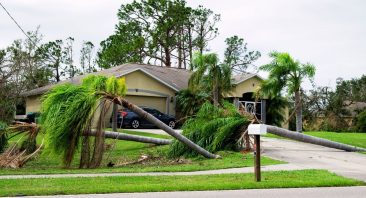
- The crash must have been a collision. Diminished value only applies to collision damage. Was your car damaged by a falling tree, hail, or vandalism? Those losses apply to different parts of your policy.
- Alabama doesn’t recognize UM coverage for diminished value. Did the at-fault driver not have insurance? Alabama doesn’t allow you to recover diminished value through your own UM coverage.
Are you interested in learning more? Read our guide on how to file a property damage claim.
How Filing Deadlines Affect Diminished Value Claims
Alabama gives you time to act on a diminished value claim. But you must act quickly to preserve evidence and protect your case. When filing a diminished value claim, you need to be aware of two different deadlines.
First, there is a two-year deadline for injury claims. Alabama Code § 6-2-38 gives you two years from the date of the crash to file a lawsuit. This rule only applies if your diminished value claim is part of a larger personal injury case.
Then, you have a six-year deadline for property damage only. Under Alabama Code § 6-2-34, claims for damaged personal property generally have a six-year statute of limitations. Some sources interpret this differently, so the safest move is to act before the two-year mark.
Evidence fades, and repair shops dispose of records. Witnesses move on. If you’re unsure how to proceed with a diminished value claim, contact our Alabama law firm.
Common Questions About Diminished Value Claims in Alabama
Is Alabama a diminished value state?
Yes. Alabama allows third-party diminished value claims under case law. You can recover the difference between your vehicle’s pre-crash and post-repair value. The at-fault driver’s insurance will pay.
How does a diminished value claim in Alabama work?
You file the claim against the at-fault driver’s insurance after repairs are complete. You typically need an independent appraisal showing the lost value. If the insurer denies or lowballs the claim, an attorney can negotiate or file suit.
Can I file a diminished value claim against my own insurance company in Alabama?
No, because Alabama only allows third-party diminished value claims. Unless your specific policy includes this coverage.
How much can I recover on an Alabama diminished value claim?
Alabama doesn’t have a statutory cap on diminished value claims. Instead, the amount depends on your vehicle’s pre-crash value, damage severity, and repair quality. Higher-value vehicles often have larger claims.
What is the 17c formula?
The 17c formula is a calculation method used by many insurers. It starts with the vehicle’s pre-crash value, applies a 10% cap, and adjusts for damage and mileage. Independent appraisals usually produce higher numbers.
Do I need a lawyer for an Alabama diminished value claim?
No, an attorney isn’t required for a diminished value claim. But these claims are often disputed. Insurance companies push back, and Alabama law requires expert testimony at trial. An attorney could help if your claim is denied or the offer is less than the appraisal.
Trust Alexander Shunnarah Trial Attorneys Today
For more than 20 years, we’ve fought for Alabama drivers and families. Diminished value is real money. Insurance companies know this, and they aren’t afraid to take advantage of it. Our personal injury law firm has recovered over $2 billion for clients nationwide.
Alexander Shunnarah Trial Attorneys is headquartered in Birmingham, Alabama. We have offices throughout the state, including Auburn, Gadsden, Huntsville, Montgomery, Mobile, and Prattville. Schedule a free case review today.