
Property damage claims are the most common insurance claims filed each year, according to the Insurance Information Institute (III). Types of property damage claims include fire, water, storm and hurricane, vandalism and theft, vehicle damage, and construction defects. Each type involves different evidence, different insurance coverage, and different legal options for recovery.
Any property is an investment. After your property is damaged, you need to know what to do next. Our guide explains the basics of property damage, common categories, and why your claim may be denied.
Understanding What Counts as Property Damage
Property damage is physical harm to tangible property. This includes buildings, vehicles, equipment, and personal belongings. Typically, property damage claims involve two categories: real property and personal property.
- Real property is land and anything permanently attached to it. This category includes homes, commercial buildings, and outdoor structures.
- Personal property is movable items, like furniture or electronics. Other categories include clothing, vehicles, and equipment.
Plus, property damage claims involve tangible property. Damage to intangible assets, like intellectual property or reputation, typically falls under different legal rules.
Within tangible property, damage may be:
- Physical damage, or structural harm or destruction.
- Functional damage occurs when the property no longer works as intended.
- Diminished value when the property’s market value drops after damage, even after repair.
Our property damage team handles many different types of claims.
The Most Common Types of Property Damage Claims
Different insurance policy rules affect types of property damage. For example, standard homeowner’s insurance covers most fire, theft, vandalism, and wind damage. But flooding usually requires a separate flood policy. Earthquake damage typically requires separate coverage as well.
Common Property Damage Types
| Damage Type | Common Causes |
|---|---|
| Fire damage | House fires, electrical failures, arson, wildfires, and smoke damage |
| Water damage | Burst pipes, plumbing leaks, sewer backups, and roof leaks |
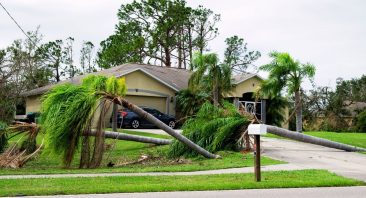
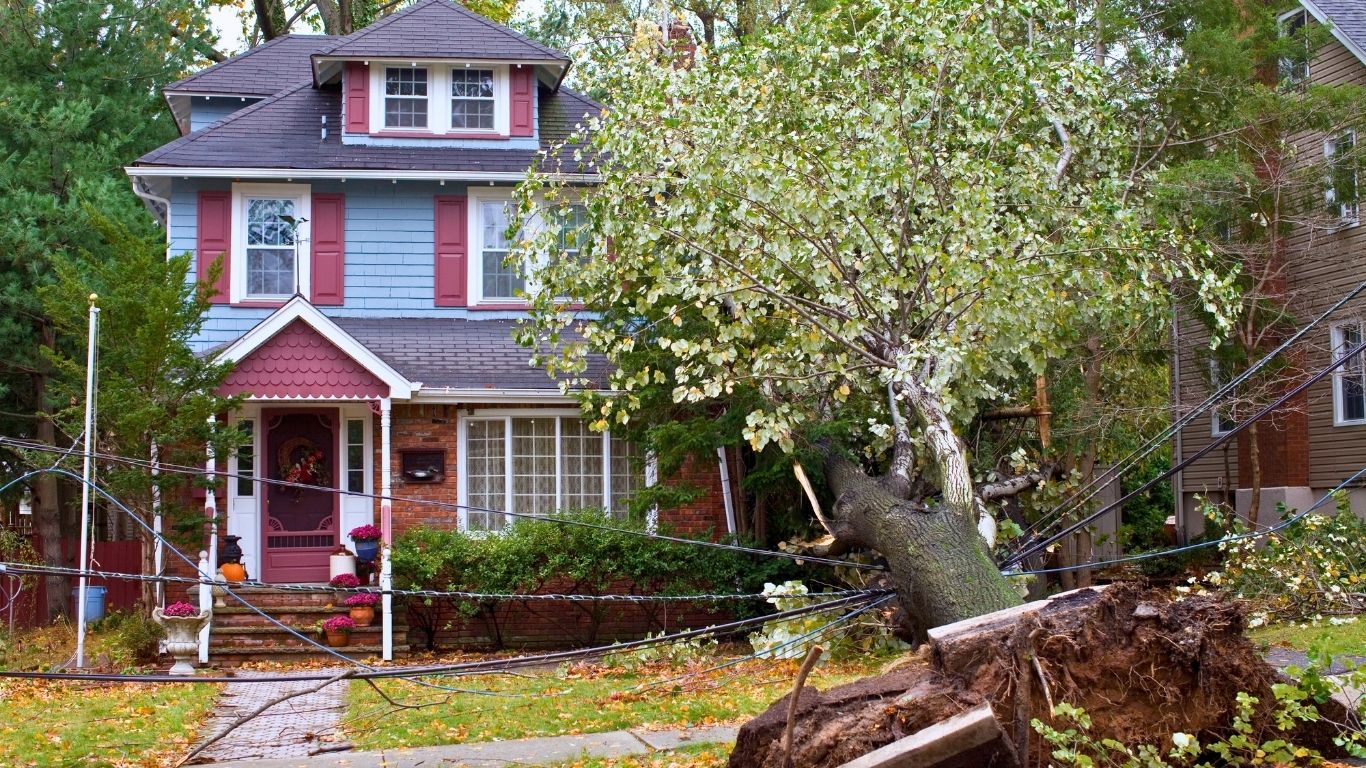
| Storm damage | Wind, hail, lightning, fallen trees, and debris impact |
| Hurricane damage | Wind damage, water damage, flooding, and structural collapse |
| Vandalism and theft | Graffiti, broken windows, stolen items, and forced entry |
| Vehicle damage | Car accidents, hit-and-runs, or other collisions with property |
| Construction defects | Foundation cracks, faulty plumbing, and improper installation |
| Mold damage | Mold is often a consequence of water damage if not handled properly |
| Lightning damage | Direct strikes, power surges, and damage to electronics |
How Property Damage Claims are Paid
Property damage claims typically resolve through insurance. But the process varies by who’s responsible.
First-Party Claims
When you file a claim with your own insurance company, it’s a first-party claim. Your homeowner’s, renter’s, or auto policy pays based on your coverage. Examples include filing with your homeowner’s after a fire, or your auto insurance for collision damage.
Third-Party Claims
When someone else’s negligence causes the damage, you file a third-party claim against their insurance. You may file a claim against another driver’s auto insurance when they crash into your home.
Bad Faith Claims
Do you believe that your insurance company unreasonably denied, delayed, or underpaid a valid claim? You may have a bad faith claim against the insurer.
When insurance won’t pay enough, a lawsuit may be necessary. You could sue the responsible party directly for compensation. Meet with one of our property damage attorneys to learn your legal options.
Why Your Property Damage Insurance Claim May Be Denied
Unfortunately, insurance companies regularly deny property damage claims. After more than 20 years of experience, we’ve witnessed corporate America deny claims for many reasons. Their most common denials are often because of the following:
Late Filing
Most insurance policies require claims need to be filed within specific deadlines.
Unpaid Premiums
A lapsed policy means no coverage at the time of the loss.
False or Misleading Statements
Any misstatements about the cause, value, or circumstances could void your claim.
Inadequate Documentation
Do you have photos, receipts, or any estimates? The insurer may deny or underpay your claim.
Policy Exclusions
Standard policies often exclude specific causes, like flooding or earthquakes. The fine print matters.
Failure to Mitigate
Once damage occurs to your property, you must prevent further damage. Otherwise, your claim may be denied.
Most homeowner’s insurance policies require you to mitigate damage immediately after a loss. Reasonable steps include tarping a roof, drying wet areas, and securing damaged windows.
Pre-Existing Damage
Typically, insurance covers new damage, not any decreased property value. The insurer may argue that the damage existed before the loss or accident.
Common Questions About Property Damage Claims
What are the most common types of property damage claims?
Water damage, wind damage, and fire damage are just the beginning. Other property damage claims include theft and vandalism. Mold damage, hurricane damage, and other types are common as well.
What counts as property damage?
Property damage is physical harm to tangible property. This category includes buildings, vehicles, and equipment, and personal belongings. However, damage to intangible property typically falls under different legal frameworks.
What is the difference between first-party and third-party property damage claims?
You file a first-party claim with your own insurance company, like your homeowner’s or auto policy. However, a third-party claim is filed against someone else’s insurance. A common situation is if their actions damaged your property.
What types of property damage are not covered by standard insurance?
Standard homeowner’s insurance often excludes flood damage, earthquake damage, gradual mold growth, and damage from neglect. Review your policy regularly to avoid any surprises.
How long do I have to file a property damage claim?
Insurance policy deadlines and statutes of limitations both apply. Most insurance policies require prompt notice, often within days. Also, government entity claims often have shorter notice requirements.
The best thing you can do is to review your policy yourself or with a property damage attorney.
What happens if my property damage claim is denied?
You can appeal the denial through the insurance company’s internal process. If that fails, you have other options, like filing a complaint with your state’s department of insurance. You may also hire an attorney to negotiate or file a bad-faith lawsuit. Many states recognize bad-faith claims when insurers unreasonably deny, delay, or underpay valid claims.
Trust Alexander Shunnarah Trial Attorneys Today
Your property is a valuable investment. You pay your premiums and expect your insurance company to follow through. But insurance adjusters aren’t there to help you. When your claim is unfairly denied, you need an attorney.
The right legal strategy depends on the cause, the property type, and the coverage available. At Alexander Shunnarah Trial Attorneys, our trial team handles property damage claims nationwide. Schedule a free case review today.
Reviewed by Alexander Shunnarah, Attorney and Chief Executive Officer at Alexander Shunnarah Trial Attorneys on 2026-06-24.