
Bus accidents can involve public transit, school buses, charter buses, and tour buses. According to the Federal Motor Carrier Safety Administration (FMCSA), as many as 13,927 bus accidents occurred in 2025. An attorney is your best chance at justice after an accident. In a bus accident lawsuit, they help you determine who may be liable.
The Most Common Types of Buses Reported in Accidents
Not all bus accidents are the same or follow the same rules. The type of bus affects who can be held liable and what rules apply.
For example, public buses (government-owned) are subject to different rules than private buses. Suing a government agency involves special deadlines, notice requirements, and sometimes damage limits. Private buses follow standard personal injury rules but are also subject to federal safety regulations.
These are some of the most common types of buses.
- Public transit buses, or city buses run by government agencies like transit authorities.
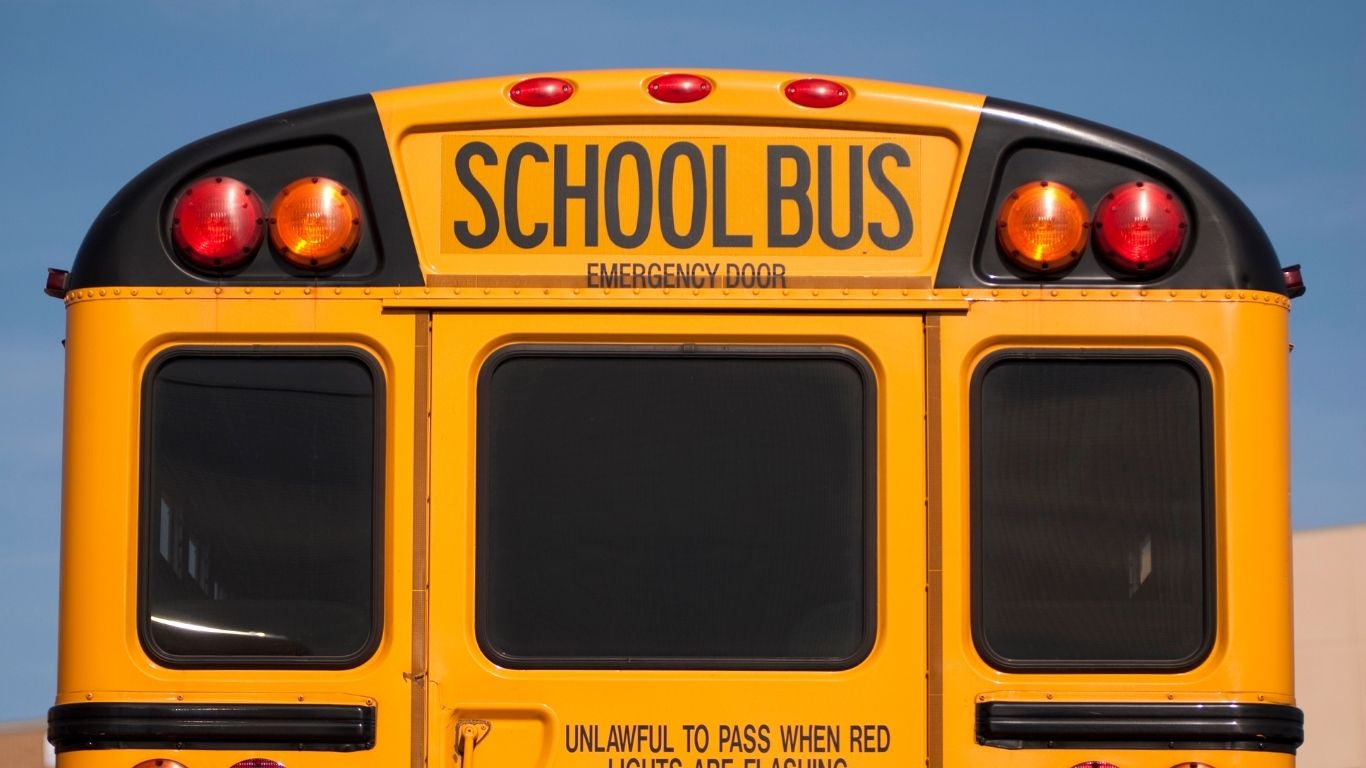
- School buses ferry children and minors. Some are run by school districts, others by private contractors.
- Charter and tour buses, like Greyhound, Megabus, and tour operators. Charter and tour buses are usually privately owned.
- Airport shuttles carry passengers between airports and hotels or parking lots.
- Church and other organization buses are owned by religious organizations, camps, or other nonprofits.
- Owned by private employers, company buses transport workers.
Our commercial vehicle accident team handles bus accident cases across all bus types.
Determining Liability in a Bus Accident Lawsuit
Multiple parties can be liable in a bus crash. Identifying every responsible party is essential to recovering full damages.
For example, a single bus accident can involve many overlapping causes. A driver may have been tired, and the brakes may have failed due to poor maintenance. Each of these factors adds a potentially liable party.
Parties Who May Be Liable
| Party | When They May Be Liable |
|---|---|
| Bus driver | Fatigue, distraction, impaired driving, speeding, or negligence |
| Bus company or operator | Negligent hiring, poor training, weak supervision, or unsafe policies |
| Bus owner | Failure to maintain the bus properly |
| Maintenance company | Failure to inspect or repair the bus correctly |
| Bus manufacturer | Defective parts, brakes, tires, or safety systems |
| Government agency | For public transit buses — if the agency was negligent |
| Other drivers | If another vehicle caused or contributed to the crash |
| Property or road owner | Dangerous road conditions or poor signage |
The FMCSA regulates commercial buses through strict rules on driver hours, drug testing, maintenance, and equipment. Violating these rules could help prove liability. For more on how these cases work, see our article on how personal and commercial vehicle accident claims differ.
How Public Bus Accident Claims Are Different From Others
Public buses, like city transit buses and state-owned buses, are subject to unique legal rules.
Sovereign Immunity
Government agencies have some protection from lawsuits under a rule called sovereign immunity. Every state limits how, when, and how much you can sue a government agency.
Notice Requirements
Most states require injured people to give the government written notice of a claim within a short window. Missing this deadline can permanently bar your claim.
Damage Caps
Some states cap the total damages you can recover against a government agency. These caps vary widely and can significantly limit recovery.
Government Contractor Rules
A private company may operate a bus under a government contract. When that happens, different rules may apply. Sometimes the contractor can be sued directly.
Notice deadlines for public bus accidents are much shorter than standard personal injury deadlines. Were you injured on a city bus, school bus, or other government bus? Contact an attorney immediately to protect your rights.
Federal Buses
If a federal agency owns or operates the bus, the Federal Tort Claims Act (FTCA) applies. FTCA claims require special procedures and shorter deadlines.
What Damages Can You Recover After a Bus Crash?
Personal injury claims, like bus accident cases, allow injured victims to recover several types of damages.
| Damage Type | What It Covers | Examples |
|---|---|---|
| Economic damages | Real, out-of-pocket losses | • Medical expenses • Lost wages and lost earning capacity • Rehabilitation and therapy costs • Property damage • Home modifications for disabilities |
| Non-economic damages | Losses without a specific dollar value | • Pain and suffering • Emotional distress • Loss of enjoyment of life • Permanent scarring or disfigurement |
| Punitive damages | Penalties for gross negligence, drunk driving, or extreme misconduct | Federal or state law may cap punitive damages |
| Wrongful death damages | Recoverable by surviving family members after a fatal bus accident | • Funeral and burial expenses • Lost financial support the deceased would have provided • Loss of companionship and guidance |
Many different factors affect the value of your claim. Examples include medical costs, lost wages, insurance coverage, and the number of responsible parties. Meet with a personal injury attorney to learn what your case could be worth.
Frequently Asked Questions About Bus Accident Cases
Who is liable in a bus accident lawsuit?
Multiple parties may be liable in a bus accident. We’ve built cases against drivers, owners, maintenance companies, bus manufacturers, and more. A single crash may involve several responsible parties.
How long do I have to file a claim after a bus accident?
Deadlines depend on state law and the type of bus. Standard personal injury deadlines are 1–6 years by state. Public bus claims usually require written notice to the government within 6 months to 1 year. Missing either deadline almost always bars the claim.
What should I do after a bus accident?
First, you should get medical care immediately. Report the accident to the police and document the scene. Get contact information from other passengers and witnesses. Keep all medical bills and receipts.
One of the most important things you can do, though, is to contact an experienced bus accident attorney.
How is a bus accident case different from a regular car accident?
Bus accidents tend to involve more parties, like drivers, companies, government agencies, and manufacturers. They also tend to require more insurance coverage and stricter federal regulations. Any rule violations can strengthen a claim.
What if I were a passenger on the bus that crashed?
Passengers on buses are rarely at fault for a crash. Injured passengers can file claims against the bus driver, bus company, another driver, or any other liable party. Multiple insurance policies may cover a single passenger’s injuries.
Trust Alexander Shunnarah Trial Attorneys Today
You trust a bus to transport your child to school. Or, you may take the bus every day as part of your commute. A bus accident is overwhelming more often than not, especially when deciding bus crash liability.
Bus accident cases involve complex regulations, multiple parties, and strict deadlines. Our trial team handles commercial vehicle accidents nationwide. Schedule a free case review today.
Reviewed by Alexander Shunnarah, Attorney and Chief Executive Officer at Alexander Shunnarah Trial Attorneys on 2026-07-02.