
Reese Hamsmith, Trista Hamsmith’s 18-month-old daughter, passed away in the fall of 2020 after ingesting a button battery that came loose from a remote control.
Since then, Trista has started Reese’s Purpose, a foundation that educates parents on safety issues.
She’s been working as an advocate to make sure that no other child dies in the same way.
Her work is starting to pay off.
President Joe Biden recently signed Reese’s Law in the middle of August.
Because of that, the U.S. Consumer Product Safety Commission will soon require companies to put warning labels on button and coin cell batteries that are sold separately.
They will also need to package them in a way that keeps children from opening them.
“I am thankful to get this done and have changes made to protect kids in the future,” Hamsmith stated.
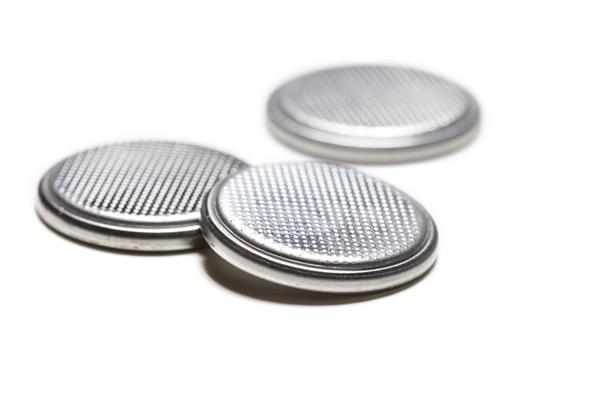
Button batteries are small, round, and very common.
They power:
- watches
- toys
- remote controls
- musical greeting cards
- key fobs
- tea-light candles
…and much more.
A recent study compared the number of emergency room visits by children connected to batteries over the last three decades. The study shows that it has more than doubled over the previous twenty years.
The report, published in Pediatrics, shows the following data:
- 1990 – 2009, About 68,000 children under 18 went to the ER because they swallowed or put batteries in their mouths, noses, or ears. This equates to one emergency room visit due to a battery about every 2.6 hours.
- 2010 – 2019: More than 70,000 children were brought into the ER. This is more than the previous 20 years combined. This equates to one emergency room visit due to a battery about every 1.25 hours.
When button batteries were involved, most of the children were under age 6.
Although ear and nasal insertions occurred, investigators found about 90% of emergency department visits were for ingestions.
Due to a chemical process that happens when button batteries are swallowed, they are much more dangerous than other small objects. Parents are often not aware of this, according to Dr. Mary Beth Howard, a pediatric emergency medicine physician at the Johns Hopkins Children’s Center and an assistant professor of pediatrics at the Johns Hopkins School of Medicine.
Howard, who is not a part of the recent study, explained that “Button batteries and lithium batteries are particularly dangerous. When they come in contact with body fluids, a current is generated, and that produces a small amount of sodium hydroxide, which is also known as lye. It’s highly corrosive, and it can burn a hole through tissue. You can imagine that a hole in the esophagus, the stomach, an ear canal, or the nasal septum is a serious injury that can cause illness and even death in some cases.”
Prevention efforts like those outlined in Reese’s Law will help avoid ingestion. If a parent or caregiver suspects a child has ingested a battery, it is critical to seek immediate medical care.
Dr. Kris Jatana, a pediatric otolaryngologist at Nationwide Children’s Hospital in Columbus, Ohio, a study author, said that if you think a child older than one has swallowed a button battery, give them two teaspoons of honey and take them to the nearest emergency room.
Honey can be protective and create a dense physical barrier to the esophageal tissue to slow the rate of injury.
Alexander Shunnarah Trial Attorneys
Button batteries can be extremely dangerous and cause fatal or life-altering injuries if ingested. When products are not used as intended, there can be safety and health risks. But, if you find yourself injured due to a defective product, you may be entitled to compensation. Call our defective product attorneys at 1-866-703-0394 for a free consultation.
References: