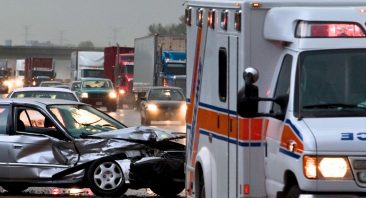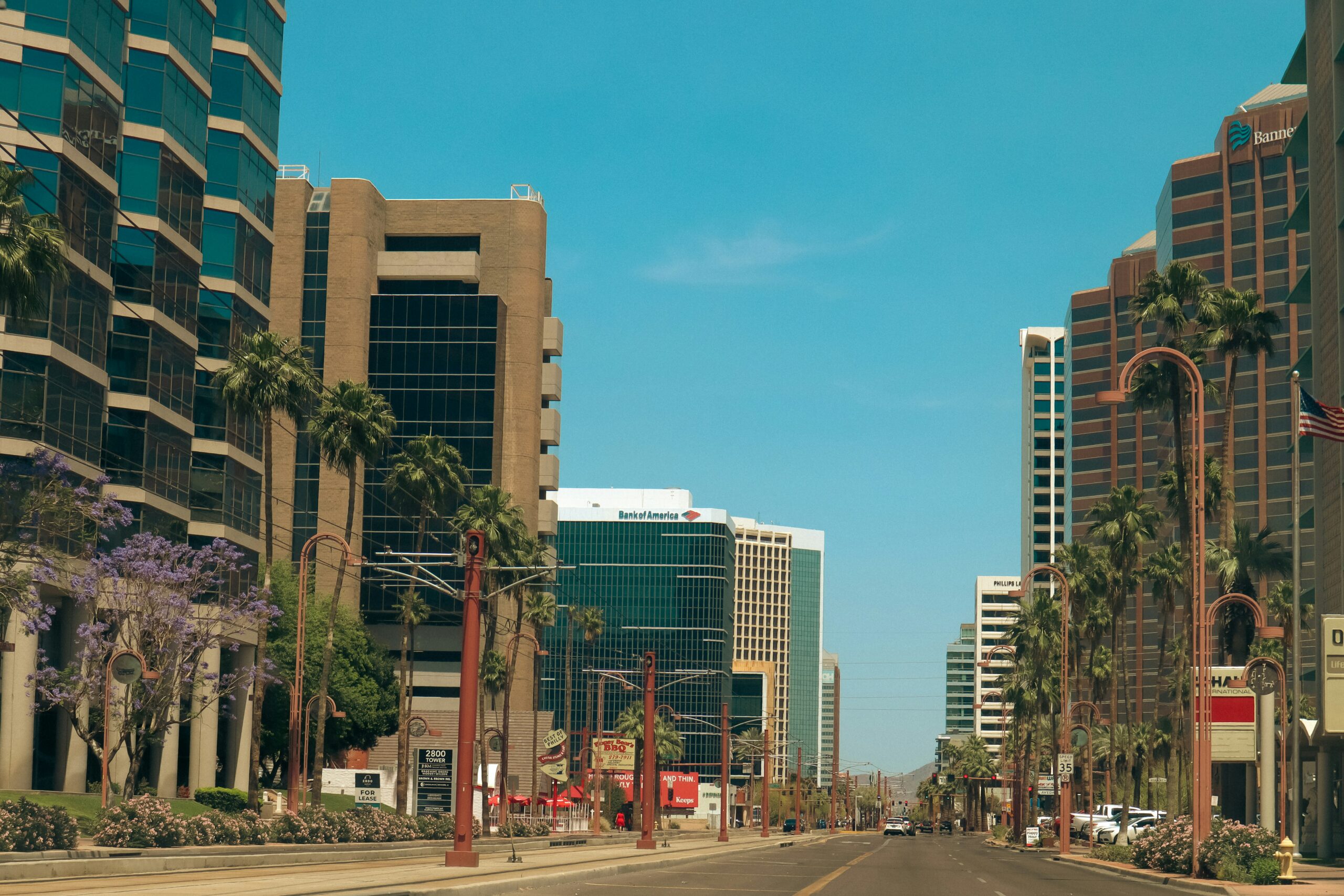

According to the Arizona Department of Transportation’s 2024 Crash Facts report, Phoenix logged 37,472 crashes in 2024. 265 of those collisions were fatal. 37,472 crashes are more than 100 incidents per day. Unfortunately, Phoenix’s dangerous roads and intersections are a daily reality for drivers.
Understanding the Statistics for Car Accidents in Phoenix, Arizona
The Maricopa Association of Governments (MAG) tracks crash data across the metro area. Their reports show that 60% of traffic-related injuries and 40% of traffic-related deaths happen at intersections. And, in 2024, Phoenix had the most traffic crashes of any city in Arizona.
- 37,472 total crashes in Phoenix
- 265 fatal crashes
- Accidents injured more than 10,400 people
- An average of one crash every 14 minutes
These are strikingly high numbers. Most drivers worry about high-speed freeway wrecks. Yet the real risk is closer to home: stoplights, turn signals, and crosswalks. Three things make intersections especially dangerous: t-bone crashes, left-turn crashes, and rear-end crashes.
And this is a lot for any driver to consider before legal ramifications. Read our blog to learn more about Arizona’s statute of limitations.
The Most Dangerous Intersections in Phoenix, AZ
MAG ranks Phoenix intersections by crash risk. It considers how often crashes happen, how serious the injuries are, and what type of crashes they tend to be. Based on that data, these are the intersections to be aware of.
- 67th Avenue and McDowell Road
- 75th Avenue and Indian School Road
- 67th Avenue and Indian School Road
- 75th Avenue and McDowell Road
- 27th Avenue and Camelback Road
- 51st Avenue and McDowell Road
What puts drivers at risk? Most of these intersections sit in busy commercial areas with wide roads and high speed limits. Many have outdated signals, missing left-turn arrows, or limited visibility.
Then, while leaving I-10, drivers cut through residential streets to skip backups. School traffic adds another rush in the afternoon. Pedestrians and cyclists share these intersections, too.
If you live in West Phoenix, you probably drive through one of these spots every day. Have you been hurt in a crash? Our Phoenix car accident attorneys could help you understand your options.
Phoenix Freeways and the I-10 / I-17 Problem
Most Phoenix drivers use I-10, I-17, and Loop 101 every day. These freeways move thousands of cars in and out of the city. They also cause a major share of Phoenix traffic accidents.
For example, I-10 is the main east-west route through the city. It connects Phoenix to Tucson and to California. Heavy commuter traffic, large trucks, and many exits make it one of the busiest stretches of road in Arizona.
Then, I-17 runs through downtown and connects Phoenix to Flagstaff. Drivers deal with tight curves, fast merges, and a mix of commuter and long-haul traffic. Ongoing construction has also been a problem.
Finally, Loop 101 is one of Phoenix’s busiest freeways. ADOT is currently working on improvements at the Loop 101 and I-10 interchange to add HOV lanes.
These are the most common causes of Phoenix freeway crashes:
- Speeding (the leading cause of crashes statewide)
- Distracted driving, including texting at high speeds
- Sudden lane changes near exits
- Following too closely in heavy traffic
- Drowsy driving on long stretches
| Roads in Phoenix | What Causes Wrecks Here | Tip for Drivers |
|---|---|---|
| I-10 | Heavy commuter traffic, large trucks, and many exits. | Build in extra following distance around trucks, and plan exit lane changes early |
| I-17 | Tight curves, fast merges, mixed commuter and long-haul traffic. | Slow down approaching curves and check for stopped construction traffic |
| Loop 101 | High traffic volume and active construction. | Watch for shifting lanes and reduced speed limits in active construction zones |
Has a freeway crash left you injured? The rules around fault, insurance, and Arizona’s two-year filing deadline can be tricky. Our team in Phoenix could guide you through it.
What to Do After an Accident in Phoenix, Arizona
The first hour after a wreck shapes the rest of your case. The steps below give you the best chance of protecting yourself and your claim.
- Get medical care. Even if you feel fine, see a doctor. Some injuries, like concussions and internal bleeding, don’t show up immediately. Medical records are also key evidence.
- Call the police. A police report is one of the most important documents in your case. Get the report number before you leave the scene.
- Take photos. Document as much of the scene as possible. If a nearby business has security footage, ask for it.
- Get witness contact info. A name and phone number from someone who saw the crash can make or break a case down the road.
- Don’t talk to the other driver’s insurance. Anything you say to an adjuster could lower your claim. Send them to your attorney instead.
- Save everything. Keep your damaged car, helmet, or gear. Save medical bills, repair estimates, and any letters from insurance.
Acting quickly matters. Arizona gives you two years to file a personal injury lawsuit. Unfortunately, evidence disappears, and witnesses’ memories fade much sooner. Whether your collision involved a passenger car or a company truck, our attorneys can help you.
Important Deadlines: Generally, Arizona gives you two years to file a personal injury lawsuit. But if your claim involved a government vehicle, then you must file a written notice of claim within 180 days of the injury.
Read more about what to do after a car accident in Arizona.
Common Questions About Dangerous Roads in Phoenix, AZ
What are the most dangerous roads in Phoenix, AZ?
Some of the most dangerous roads in Phoenix are on the west side. They include 99th Avenue and Lower Buckeye Road, 67th Avenue and McDowell Road, and 75th Avenue and Indian School Road. Freeways I-10, I-17, and Loop 101 also experience heavy crash volumes.
Which Phoenix freeway has the most crashes?
I-10 is one of the busiest and most crash-prone freeways in Phoenix. It carries heavy traffic and has multiple high-volume interchanges.
What are the most common causes of Phoenix traffic accidents?
Speeding, distracted driving, and impaired driving regularly cause traffic accidents. Intersection crashes make up the majority of injuries in the metro area.
Why are Phoenix’s dangerous roads such a problem on the west side?
Many west side intersections are wide, fast, and built for older traffic patterns. Outdated signals and high commercial traffic raise the crash risk.
What should I do if I’m hurt at a Phoenix high-crash intersection, like one on I-10 or I-17?
Get medical care first. Then, call the police and document the scene. Before talking to the other driver’s insurance, you should hire a Phoenix car accident attorney. Arizona’s two-year filing deadline starts the day of the crash.
How long do I have to file a car accident claim in Arizona?
Arizona generally gives you two years from the date of the crash to file a personal injury lawsuit. But claims with government entities have shorter deadlines. Speak with an attorney to learn which rules may apply to your case.
Are intersection crashes more dangerous than freeway crashes?
Both are dangerous and potentially fatal. However, Phoenix data shows intersections cause the majority of injuries and fatalities.
Trust Our Phoenix Car Accident Lawyers
Phoenix’s dangerous roads claim hundreds of lives every year. After an accident, your path to recovery may be unclear. Call Alexander Shunnarah Trial Attorneys for a law firm you can trust.
We have more than 20 years of experience handling personal injury cases. We’ve recovered over $2 billion for clients nationwide. Book a free consultation today.