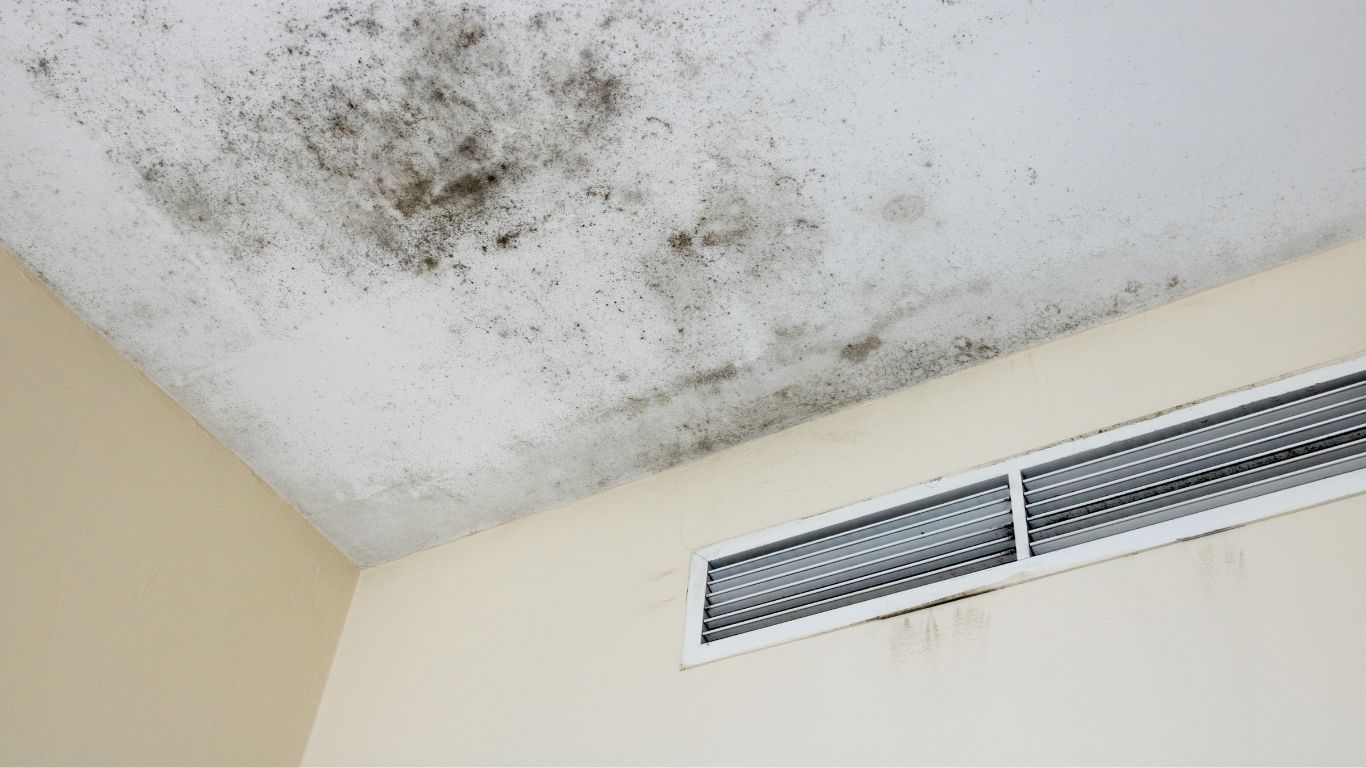

Yes, you may be able to sue your landlord for mold exposure if their failure to maintain the property harmed your health or belongings. In Alabama, landlords must keep rentals habitable under state law. According to the Centers for Disease Control and Prevention (CDC), mold can cause coughing, wheezing, and other symptoms.
Can I Sue My Landlord for Mold in Alabama?
In many cases, yes, you could sue a landlord for mold. Your right to sue depends on who’s responsible for the mold and how much the mold may have hurt you.
Under Ala. Code § 35-9A-204, Alabama landlords must make repairs and keep the property in a fit and habitable condition. The law doesn’t mention mold by name, but it does list a duty to fix problems and maintain the rental property. For example, the landlord must maintain the property’s plumbing, roofing, and air systems.
What if your landlord knew about a mold or moisture problem, or should’ve known? If they didn’t fix it, they may be legally responsible for the repercussions.
When a Landlord May Be Responsible for Mold
Your landlord may not be responsible for every case of mold exposure. Your landlord’s responsibility usually comes down to what created the moisture.
| Landlord May Be Responsible | Tenant May Be Responsible |
| A roof or pipe leak the landlord ignored | Failing to use provided ventilation or exhaust fans |
| Faulty HVAC or plumbing | Not reporting a leak or spill |
| Poor drainage or building defects | Causing water damage through neglect |
| Ignoring your written repair requests | Blocking airflow or overwatering plants |
In Alabama, you generally must tell your landlord about the problem in writing and give them time to fix it. Under Ala. Code § 35-9A-401, the landlord typically has 14 days to remedy a condition that affects health and safety.
Always report mold to your landlord in writing and keep a copy. This creates a record that the landlord knew about the problem. This is often essential to a claim.
What Do You Have to Prove to Win a Mold Lawsuit?
Winning a mold case takes more than showing that mold existed.
- Duty, or the landlord owed you a habitable home
- Breach, or the landlord failed to fix a known mold or moisture problem
- Causation, or the mold actually caused your harm
- Damages, or you suffered real losses, like medical bills or ruined property
Proving that mold caused a specific illness can be difficult. The CDC notes that mold affects people differently. Some folks have no symptoms, while others with asthma or allergies react strongly. Medical records that connect your symptoms to the mold are often key.
A mold case is a type of premises liability claim, which holds property owners responsible for unsafe conditions. Our article on premises liability in Alabama explains how these cases work.
What Compensation Can You Recover, and How Long Do You Have?
If your landlord is liable, you may recover more than just cleanup costs. You may be able to recover economic and non-economic damages.
- Medical bills for mold-related health problems
- Damaged personal property, like furniture and clothing
- The cost of moving or temporary housing
- A refund or reduction of rent
- Pain and suffering
- Attorney fees, which Alabama law allows in some habitability cases
In Alabama, you generally have two years to file a personal injury claim under Ala. Code § 6-2-38. Claims based on the lease itself may allow more time. If mold has damaged your health or your home, our mold damage attorneys can review your case and explain your options.
Frequently Asked Questions About Suing a Landlord for Mold
Can I sue my landlord for mold?
Often, yes, you can sue your landlord for mold. But the mold must be from their failure to maintain the property, and it hurt you. In Alabama, landlords must keep rentals habitable under Ala. Code § 35-9A-204.
In mold claims, you must show that the landlord knew about the problem, and failed to fix it. Then, the mold must have hurt you or damaged your property.
Is a landlord responsible for mold in Alabama?
Usually, a landlord is responsible if the mold came from a maintenance issue. Under Ala. Code § 35-9A-204, Alabama landlords must make repairs and keep the property habitable. This includes fixing leaks and moisture problems.
A landlord is generally responsible when they knew or should have known about the issue and failed to address it. However, as a tenant, you may be responsible if you caused the moisture.
What should I do if my apartment has mold?
If your apartment has mold, you must report it to your landlord right away. Then, photograph the mold and any damaged belongings. But, if you have health symptoms, see a doctor immediately. Under Ala. Code § 35-9A-401, the landlord generally has 14 days to fix a serious problem after written notice.
Can I withhold rent from my landlord for mold in Alabama?
Only if you follow the law, because Alabama tenants can’t just stop paying rent. Under Ala. Code § 35-9A-401, you must give written notice and allow the landlord time to fix the problem. If the landlord fails to act, you may have the right to terminate the lease or pursue other remedies.
Can I sue my landlord for mold that made me sick?
Possibly, but you must prove the mold caused your illness. This is often the hardest part of a mold case. The CDC notes that mold affects people differently, so medical records linking your symptoms to the mold exposure are important. If you can show the landlord’s neglect caused a health problem, you may recover medical costs and other damages.
How long do I have to sue a landlord for toxic mold?
In Alabama, you generally have two years from the date of injury to file a personal injury claim under Ala. Code § 6-2-38. Claims based on a breach of the lease or habitability duty may allow more time. Because evidence like mold, medical records, and repair requests can fade or be lost, it is best to act quickly.
Trust Alexander Shunnarah Trial Attorneys Today
A moldy rental is more than a nuisance. Mold exposure on a rental property threatens your health and safety. If you believe your landlord has ignored the problem, you have rights. Our law firm is well-versed in Alabama’s habitability laws.
Schedule a free case review to start holding your negligent landlord accountable.
Reviewed by Alexander Shunnarah, Attorney and Chief Executive Officer at Alexander Shunnarah Trial Attorneys on 2026-07-29.