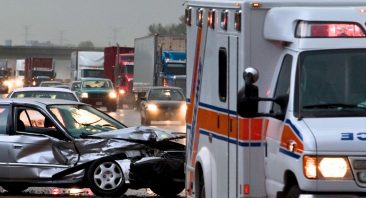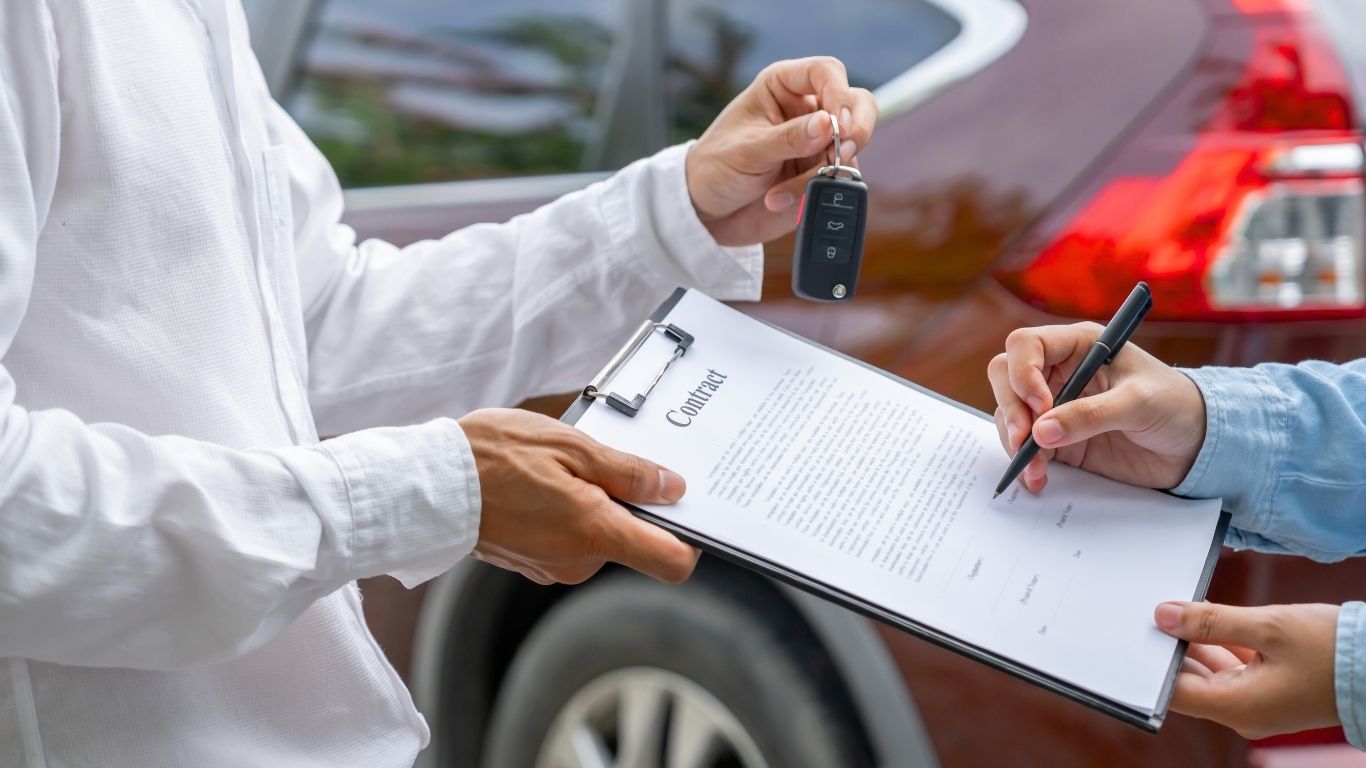

Determining how long an insurance company will pay for your accident depends on who is paying. Your own rental reimbursement coverage usually lasts up to about 30 days, with daily and total limits. But if the at-fault driver’s insurer pays, there is no fixed day cap; instead, they will cover you for a reasonable repair time.
Who Pays for Your Rental Car After an Accident?
Before you know how long a rental lasts, you need to know who is paying. After a crash, one of two policies usually covers your rental car.
Two ways to get a rental covered:
- The at-fault driver’s insurance. If another driver caused the crash and their insurer accepts fault, their liability coverage should pay for your rental.
- Your own rental reimbursement coverage. If you added this optional coverage to your policy, it pays while your car is in the shop, no matter who was at fault.
If the other driver was clearly at fault, you usually turn to their insurer. But if you caused the crash, or you were in a single-car accident, you rely on your own rental reimbursement coverage… But only if you bought it.
How Long Does Your Rental Coverage Last?
If you use your own rental reimbursement coverage, it does not last forever. It comes with clear limits. While the chart below is a general outline, coverage ultimately depends on your policy.
| Limit Type | Typical Range |
|---|---|
| Daily limit | About $30 to $50 per day |
| Total cap per claim | About $900 to $1,500 |
| Day limit | Usually up to 30 days (some 45) |
Plus, your coverage clock keeps running even if the repair shop is slow or the insurer drags its feet. If your repairs take longer than your day or dollar limit allows, you pay the rest out of pocket. Coverage usually starts the day you pick up the rental, not the day of the crash.
Also, if a shop can fix your car, coverage lasts until the repairs finish or you hit a limit. But what if the accident totaled your car? Then, coverage usually ends once the insurer makes a total-loss offer, not when you buy a new car.
How Long Does Your Rental Coverage Last if the Other Driver is at Fault?
When another driver caused the crash, the rules change in your favor. Their liability coverage works differently from yours.
Unlike your policy, the at-fault driver’s insurance does not use a fixed daily limit from your plan. Instead, it must pay a “reasonable” rate for a rental comparable to your car. They won’t cover a luxury SUV if you drove an economy sedan, but they should cover a fair replacement.
The at-fault insurer’s coverage continues until your car is repaired, or until they pay fair value for a total loss. That often lasts longer than your own rental coverage would.
Loss of use is your legal right to compensation for losing your car. You may be owed this fair rental value even if you never rented a car. This right matters in any car accident claim, and our car accident lawsuit timeline shows where it fits in the process.
What If Your Car is Totaled, or Repairs Take Too Long?
Total-loss cases and long repairs complicate insurance coverage. When your car is a total loss, rental coverage usually ends when the insurer makes its settlement offer… Not when you buy a replacement. This gap may leave you scrambling for a vehicle, especially for a commute to work or school.
A few steps can save you money and stress:
- Confirm your daily and total limits in writing before you rent
- Keep every rental receipt
- Do not rush into a low total-loss settlement just to keep a rental
- Push back if the insurer cuts off a reasonable rental too soon
Even while you handle a rental, your claim runs on a clock. In Alabama, you generally must file within two years under Ala. Code § 6-2-38. An attorney can fight an unfair rental cutoff and protect your full claim.
Frequently Asked Questions About Rental Cars After an Accident
How long will insurance pay for a rental car after an accident?
How long insurance pays for a rental car after an accident depends on who pays. For example, your own rental reimbursement coverage may last as long as 30 days. But, if the at-fault driver’s insurer pays, there is typically not a fixed day cap. The insurer must cover a reasonable rental until your car is repaired, or they pay for a total loss.
How many days will insurance cover a rental car?
With your own rental reimbursement coverage, insurance typically covers a rental for up to 30 days. Some policies allow up to 45 days. Your policy also sets a daily limit, often $30 to $50, and a total cap, often $900 to $1,500. The days run whether or not repairs are finished, so slow repairs can leave you paying out of pocket.
Does insurance pay for a rental if my car is totaled?
Typically, yes, but not for long. Insurance usually pays only until the insurer makes a total-loss settlement offer, not until you buy a new car. That may give you just a few days. If the other driver was at fault, their insurer should cover a reasonable rental until they pay fair value for your car.
How long will insurance pay for a rental car after an accident if I have no rental coverage?
If you have no rental reimbursement coverage, your own insurer will not pay for a rental after an accident. Your only option is the at-fault driver’s liability coverage. This coverage only applies if another driver caused the crash and their insurer accepts fault. But, if you caused the crash and have no rental coverage, you will likely pay for a rental yourself.
What is loss of use in a car accident claim?
Loss of use is your legal right to compensation for being without your vehicle after a crash someone else caused. It covers the fair rental value of your car for the time you could not use it, even if you never rented a car. The at-fault driver’s insurance owes this, and an attorney can help you claim it as part of your damages.
Trust Alexander Shunnarah Trial Attorneys Today
Insurance companies often cut off rental coverage to pressure you into a quick, low settlement. You do not have to accept that. We fight for every dollar you are owed, including a fair rental and loss-of-use damages.
When the insurer plays hardball, we push back. Schedule a free case review today.
Reviewed by Alexander Shunnarah, Attorney and Chief Executive Officer at Alexander Shunnarah Trial Attorneys, on 2026-09-22.