
After inhaling dust, what you do depends on what you were exposed to. For ordinary dust, step into fresh air and let a cough clear your airways. But hazardous dust, like silica or asbestos, demands more caution. According to a 2022 study, as many as 20,000 incident cases of silicosis were identified in 2017.
What You Should Do After Inhaling Dust
After inhaling dangerous dust, the right steps are different for everyday dust and for dangerous dust.
Everyday Dust
If you breathed in common dust, move to fresh air and let your body do its job. Cough to clear your airways. Rinse your nose and mouth. Most mild cases pass quickly on their own.
Hazardous Dust
Silica, asbestos, and some construction dusts may cause serious illness, even when you feel fine right away. After exposure, you should seek medical treatment immediately. Ask whether you need a chest X-ray or other testing.
When It’s an Emergency
Some symptoms demand fast care. If you have serious trouble breathing, chest pain, or you feel faint, call 911. And if you breathed hazardous dust at work, report it to your employer and request records of any exposure testing.
Which Kinds of Dust Are Most Dangerous?
Not all kinds of dust are created equal. Silica dust, asbestos, and other construction dust affect you differently.
Silica Dust
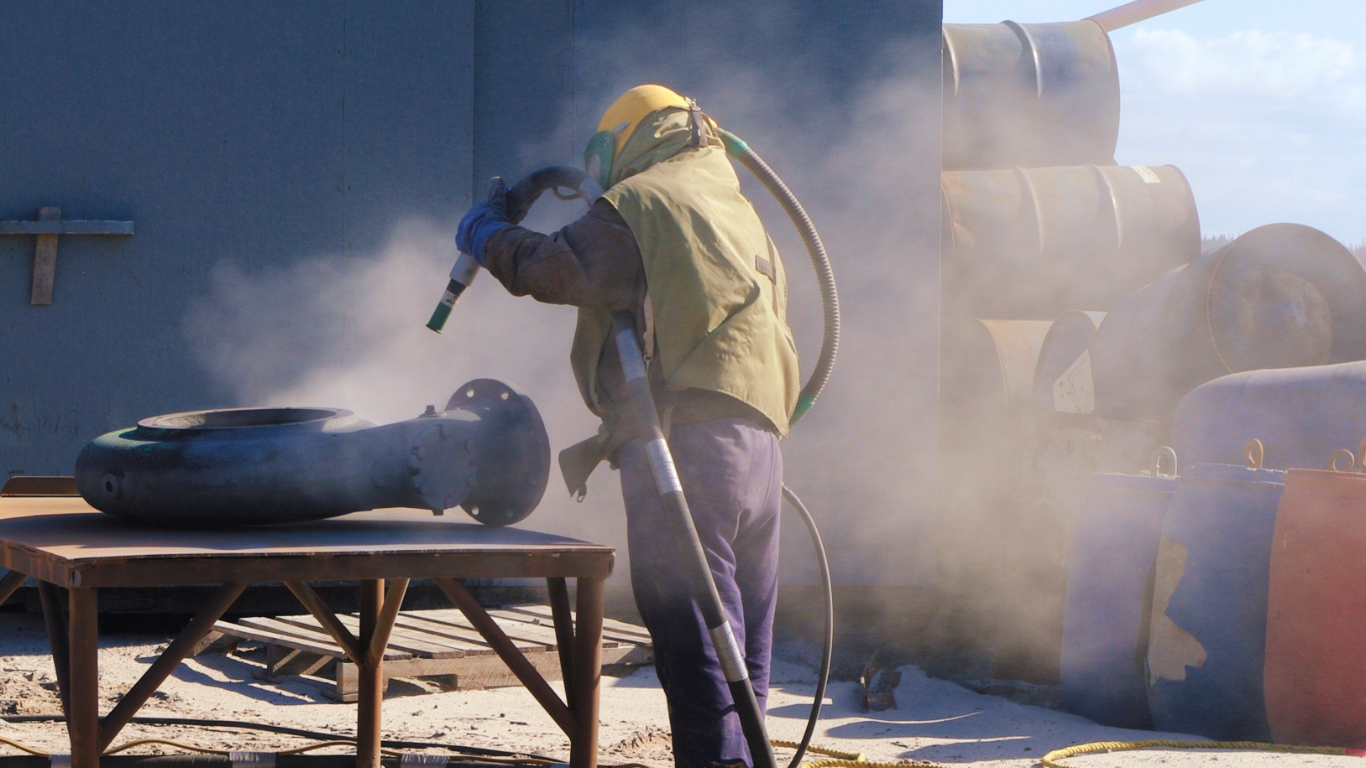
Unfortunately, silica dust is one of the biggest hazards for construction and stone workers. It often comes from cutting, grinding, or drilling concrete, stone, brick, and sand. According to OSHA, inhaling silica can cause silicosis, an incurable lung disease, along with lung cancer and kidney disease.
Asbestos
Asbestos hides in older buildings, insulation, and flooring. Once disturbed, it releases microscopic fibers that can cause mesothelioma, an aggressive cancer the CDC ties directly to asbestos. If you believe you were exposed, meet with one of our mesothelioma attorneys.
Other Construction Dust
Wood dust, concrete dust, and coal dust can also damage your lungs. Over years of exposure, they may lead to asthma, chronic lung disease, and even cancer. The danger rises the longer you breathe them in.
Understanding the Long-Term Health Risks
Many dust-related diseases develop slowly. For example, silicosis often shows up 15 to 20 years after exposure, according to OSHA. Mesothelioma may take even longer.
Long-term dust exposure is linked to silicosis, lung cancer, COPD, kidney disease, and mesothelioma. Many of these conditions have no cure. They can change, or even end, a person’s life.
OSHA requires employers to control dust with water and ventilation, provide respirators, and monitor exposure levels. When a company skips these steps, workers face needless risk. If your workplace ignored dust safety, our workplace injury attorneys can help.
Your Legal Rights After Dust Exposure
If dust at work made you sick, you have rights. And you may have more than one way to seek compensation.
Workers’ Compensation
Workers’ comp can cover medical care and part of your lost wages for a job-related illness. It applies regardless of who was responsible.
A Third-Party Lawsuit
Sometimes, a company other than your employer is to blame. High-dust jobs carry this hazard across many industries. Our guide on common oil rig injuries shows how workers in demanding fields face serious dangers, including toxic dust.
Frequently Asked Questions About Occupational Dust Exposure
What should you do after inhaling dust?
What you should do after inhaling dust depends on the type. For common dust, move to fresh air, cough to clear your airways, and drink water. For hazardous dust like silica or asbestos, see a doctor even if you feel fine, and mention the exposure. Then, you should call 911 for severe trouble breathing or chest pain.
What are the symptoms of silica dust exposure?
Silica dust exposure may not cause obvious symptoms at first. Over time, it may lead to coughing, shortness of breath, chest pain, and fatigue, which are signs of silicosis. Because the disease is slow, a chest X-ray is often needed to detect lung damage. Workers with silica exposure should get regular medical checkups.
Is silica dust as dangerous as asbestos?
Both silica dust and asbestos are very dangerous. Silica dust causes silicosis, lung cancer, and kidney disease. Asbestos causes mesothelioma along with lung cancer. No amount of exposure is considered safe.
What to do after inhaling dust if you work in construction?
What to do after inhaling dust in construction is to limit exposure and protect your health. Move away from the dust, wear a proper respirator, and ask your employer about dust controls. Construction dust often contains silica, so you should see a doctor if you experience ongoing symptoms.
Can I sue for an illness from dust at work?
Yes, you may be able to sue for an illness caused by dust at work. Besides workers’ comp, you might have a construction dust inhalation lawsuit against a product maker or another company. Damages can cover medical bills, lost income, and more. An attorney can review your options.
How long after dust exposure do symptoms appear?
Symptoms can take a long time to appear. Silicosis often develops 15 to 20 years after silica exposure, and mesothelioma from asbestos can take even longer. This long delay means you may not link your illness to dust you breathed years ago. That is why your filing deadline often starts at diagnosis, not exposure.
Trust Alexander Shunnarah Trial Attorneys Today
The dust you breathed years ago should not cost you your health and your savings. When a dangerous job or a careless company makes you sick, we fight to hold them accountable. Our team handles complex dust and toxic exposure claims. Schedule a free case review today.
Reviewed by Alexander Shunnarah, Attorney and Chief Executive Officer at Alexander Shunnarah Trial Attorneys, on 2026-10-12.