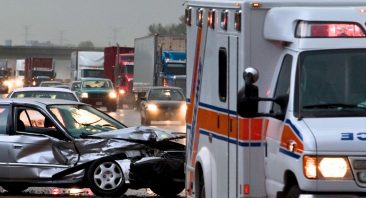

According to the Florida Department of Highway Safety and Motor Vehicles, Orange County recorded over 25,000 crashes in 2024. As a Florida driver, it’s important to know Florida’s most dangerous roads, especially near Orlando. Recognizing which Orlando intersections see the most crashes helps you stay alert.
Why Orlando Intersections Are Dangerous
Many different factors make Orlando intersections especially hazardous. One single mistake could turn a daily commute into a nightmare. Traffic, tourists, and distracted driving are just the beginning.
High Traffic Volume
Orlando’s population growth and year-round tourism mean millions of vehicles share local roads.
Tourist Drivers
Visitors unfamiliar with Orlando road networks often misjudge signal timing, lane changes, and turn lanes. Rental cars, tour buses, and out-of-state plates add to confusion at busy junctions.
Wide, Fast Roads
Many Orlando intersections sit at the crossing of multi-lane state and federal highways. These include SR 50 (Colonial Drive), SR 436 (Semoran Boulevard), and US 441 (Orange Blossom Trail).
Pedestrian Crossings
Orlando has limited crosswalks and long crossing distances at major intersections.
Signal Timing and Sight Lines
Outdated signal cycles, signal sequencing, and blocked views often reduce reaction time at busy intersections.
Distracted Driving
Phone use, GPS adjustments, and texting at intersections create unnecessary risks.
Recognizing the Most Dangerous Intersections in Orlando
Several Orlando intersections consistently appear in crash data, MetroPlan Orlando high-injury network mapping, and local news reports.
Most Frequently Named Crash Locations
| Intersection | Why It’s Dangerous |
|---|---|
| Colonial Drive (SR 50) and John Young Parkway | Heavy traffic from both directions; high turning movement; complex lane configuration |
| Orange Blossom Trail (US 441) and Lee Road (FL-423) | High commercial activity, dense local traffic, frequent side-impact crashes |
| Sand Lake Road and Turkey Lake Road | Tourist corridor with high pedestrian and vehicle volume near attractions |
| Sand Lake Road and John Young Parkway | Flyover construction zone, complex merge patterns |
| Old Winter Garden Road and Kirkman Road (FL-435) | Mixed retail/commuter traffic, heavy turn movements |
| Pine Hills Road and Silver Star Road | Part of Orlando’s high-injury network, ongoing safety improvements |
| International Drive corridor (multiple intersections) | High tourist pedestrian volume, multiple traffic signals |
| Semoran Boulevard (SR 436) corridor | High pedestrian activity, fast through-traffic, multiple commercial driveways |
Our car accident team handles crashes at intersections across the Orlando metro.
The Types of Crashes That Occur at Orlando Intersections
Intersection crashes fall into recognizable patterns. The crash pattern affects evidence preservation, fault determination, and insurance claims. For example, a left-turn crash investigation looks different from a T-bone investigation.
T-Bone Crashes
Most common when a driver runs a red light or fails to yield at a stop sign. These often cause serious injuries because side impacts offer less crush protection than front or rear impacts.
Left-Turn Collisions
Turning across oncoming traffic at signalized intersections without protected left-turn arrows. Common on SR 50, US 441, and other multi-lane corridors.
Rear-End Collisions
Drivers following too closely or distracted at signal changes. Common in heavy intersection congestion.
Pedestrian and Bicyclist Crashes
Long crossing distances, limited crosswalk visibility, and turning vehicles striking pedestrians in marked or unmarked crosswalks. Motorcyclists are also at risk, especially when lane splitting or filtering.
Hit-and-Run
Some Orlando intersection crashes involve drivers who flee the scene. This adds insurance complications for the injured party.
What You Should Do After an Intersection Crash in Orlando
After an accident in Orlando, you’re most likely hurt and overwhelmed. It may be hard to think clearly. But there are specific steps you can take to protect your rights and preserve evidence.
- Get medical care immediately. Fla. Stat. § 627.736 requires drivers to seek initial medical treatment within 14 days for Personal Injury Protection (PIP) to apply.
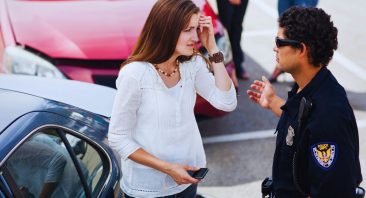
- Then, call the police. A police report establishes the official record of the crash, including signal status, traffic conditions, and witness statements.
- Document the vehicle and the intersection. When you photograph the intersection, include signals, signage, and lane markings.
- Identify witnesses, including other drivers or pedestrians. They often have unique vantage points on signal status and right-of-way questions.
- Don’t apologize or admit fault. Florida’s post-HB 837 modified comparative negligence rule (51% bar) means any percentage of fault reduces recovery.
- Don’t give recorded statements to insurance adjusters. Meet with an attorney first.
Something else you must do is understand any deadlines that may apply to your case. For more on Florida deadlines, see our Florida personal injury statute of limitations article. An experienced personal injury attorney in Florida could help you further.
Frequently Asked Questions About Orlando Intersection Crashes
What is the most dangerous intersection in Orlando?
Several Orlando intersections appear consistently in crash data. These include Colonial Drive (SR 50) and John Young Parkway, the Orange Blossom Trail (US 441) corridor, and the Semoran Boulevard (SR 436) corridor. But crash rankings can shift year-to-year as infrastructure changes.
What causes the most crashes at Orlando dangerous intersections?
Many different factors cause Orlando traffic accidents. The most common causes include running red lights, distracted driving, and pedestrian/vehicle conflicts at long crossings. Heavy commercial traffic on corridors like Orange Blossom Trail and Colonial Drive adds to the risk.
How long do I have to file a claim after an intersection crash in Orlando?
Two years from the date of the crash under Florida’s post-HB 837 personal injury statute of limitations. Cases involving government entities have different and shorter deadlines. Missing the deadline almost always bars the claim. Florida’s 14-day medical care rule for PIP applies separately and starts running immediately.
Who pays after an Orlando intersection crash?
First, Florida’s no-fault PIP coverage pays up to $10,000 for medical bills and lost wages. For serious injuries, the at-fault driver’s liability insurance covers additional damages. But the injuries must meet Florida’s tort threshold under Fla. Stat. § 627.737.
What evidence is most important at Orlando dangerous intersections?
Important evidence includes photographs of the intersection itself, plus vehicle damage photos. Police reports document official crash positions. Witness statements are critical too.
Trust Alexander Shunnarah Trial Attorneys Today
Orlando’s most dangerous intersections see thousands of crashes each year. After a crash, Florida’s no-fault PIP and two-year statute of limitations all affect your case. Our trial team has handled intersection crashes across Orlando and Central Florida. Schedule a free case review today.
Reviewed by Alexander Shunnarah, Attorney and Chief Executive Officer at Alexander Shunnarah Trial Attorneys on 2026-06-18.