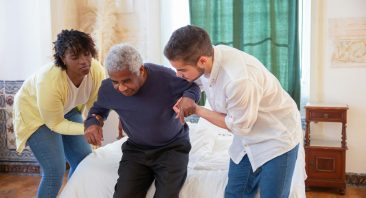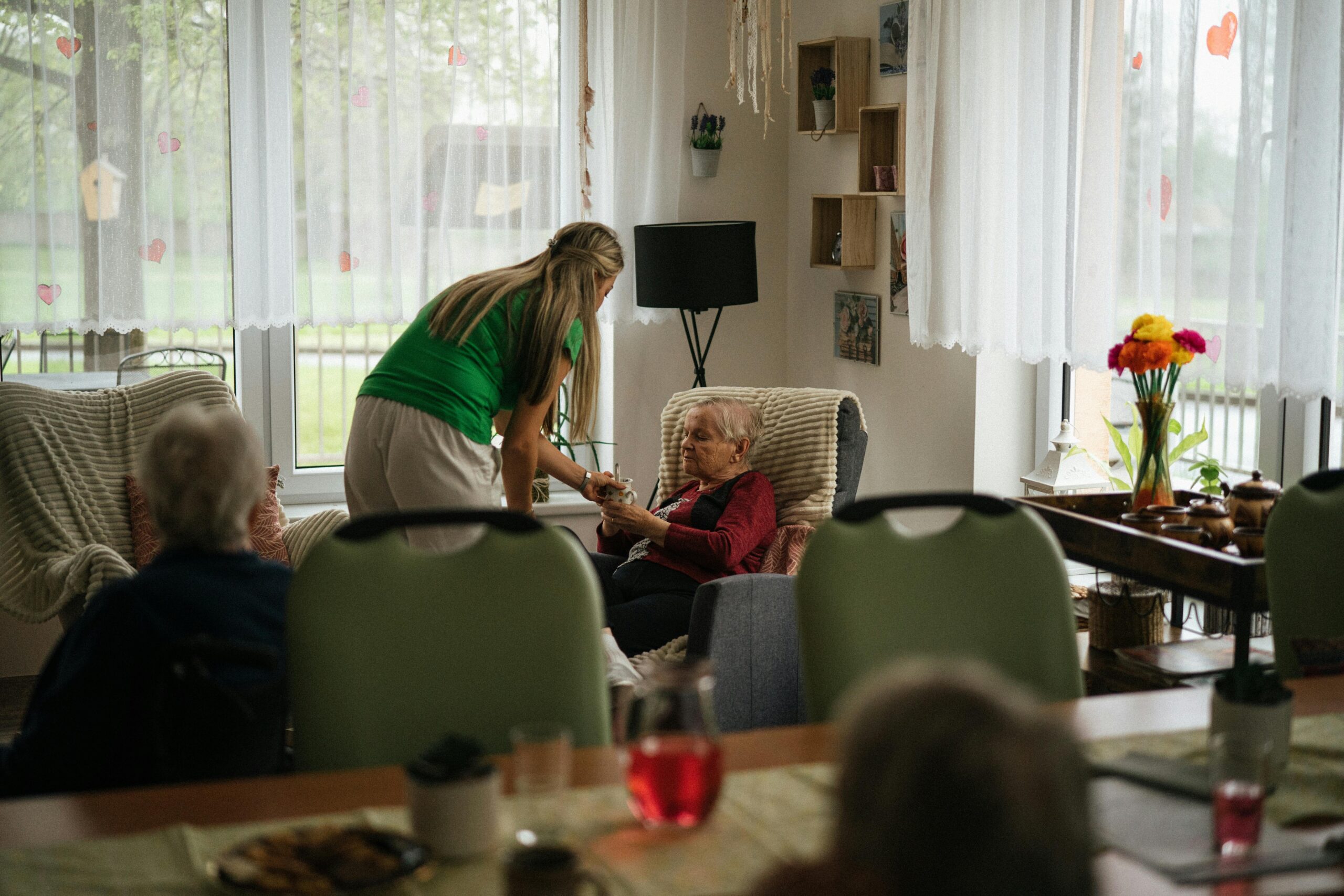

Your loved one’s health should never be put at risk. You trusted a facility or a caregiver to care for your family like their own. But would you recognize the warning signs if something was wrong?
We break down the common signs of caregiver abuse below. Early reporting could save a life.
What is Considered Caregiver Abuse and Neglect
Unfortunately, neglect in nursing homes is more common than you may believe. The U.S. Department of Justice says that 1 in 10 seniors, aged 65 and older, are abused each year. There are multiple types of elder abuse.
We’ve handled claims for physical and emotional pain. A case begins with recognizing the warning signs of abuse.
How to Detect Warning Signs of Physical Abuse
Physical caregiver negligence or abuse may not always be obvious. Many facilities try to downplay or minimize injuries. But patterns tell a different story.
Below are the most common signs of physical elder abuse.
- Medication errors, like incorrect dosages or missed prescriptions
- Unexplained bruises or broken bones
- Malnutrition and dehydration
- Bedsores and pressure ulcers
- Fall-related injuries
- Poor hygiene
When facility staff struggle to give a clear explanation, that’s a red flag. Especially if their answers keep changing. Document every detail so you can build a strong case.
Identifying the Warning Signs of Emotional Abuse
Not all abuse and neglect leave a physical mark. Emotional abuse is harder to detect, but just as severe. According to the Office on Women’s Health (OWH), caregivers are more likely to abuse seniors than family or spouses. When you visit your loved one, pay attention to changes in behavior or communication.
These are the most common signs of emotional abuse.
- Poor mental health, like depression or anxiety
- Sudden mood changes
- Unusual behavior, like biting or rocking
- Changes in eating habits or sleeping patterns
- Secondhand reports of verbal mistreatment
- Witnessing poor caregiver conduct
Cruelty has no space in caregiving, whether it’s neglect, financial exploitation, or verbal abuse. Report your suspicions if you believe a loved one is abused.
How to Report Caregiver Neglect
If you suspect neglect or abuse, you’re not overreacting. Caregiver neglect is the most unreported type of abuse. 1 out of every 57 elder neglect cases are reported.
When reporting nursing home neglect, you have several options. For example, you could report neglect to law enforcement or social workers. We recommend taking these four steps:
- Report the suspected abuse or neglect immediately. If the person is in pain or injured, then call 911.
- Collect all evidence, like medical records and witness statements.
- Move the victim to a safer location if possible.
- Call an experienced caregiver and nursing home abuse attorney.
- If you suspect neglect, it’s best to err on the side of caution.
What to Do Next
We’ve fought for vulnerable families for more than 24 years. We handle caregiver neglect claims with compassion and determination. And our results speak for themselves. We’ve recovered over $2 billion for more than 250,000 clients nationwide.
If you believe your family member is suffering neglect or abuse, don’t wait. You have legal options. Contact our caregiver abuse attorneys today. Your first consultation is always free.