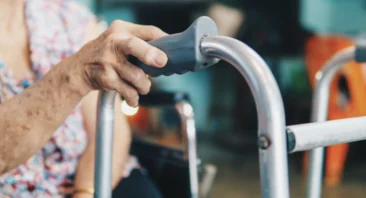
You trust a nursing home to care for your loved one. Unfortunately, many elderly residents face abuse and neglect. As many as 2 in 3 staff members admitted to committing abuse in the past year.
As a family member or caregiver, you play a vital role in your loved one’s safety. If you suspect neglect, it’s important to act quickly.
Here’s what you can do when building a nursing home abuse case.
Understanding the Impact of Nursing Home Negligence
Any nursing home resident can be vulnerable to neglect. Many factors create the perfect environment for neglect. Prior claims have cited understaffing, poor training, and mismanagement.
Nursing home negligence and abuse often looks like:
- Physical injuries
- Verbal or emotional abuse
- Sexual abuse
- Negligent caregivers
- Financial abuse or exploitation
- Elopement
Identifying the Signs of Nursing Home Abuse and Neglect
Recognizing signs of elder care neglect is crucial. In the United States, over 10% of seniors experience some form of abuse each year. These are the most common red flags.
- Physical abuse, like unexplained injuries or bruises
- Delayed (or denied) medical care
- Malnutrition or dehydration
- Ignored symptoms, like bedsores
- Poor personal hygiene
- Sudden weight loss
The Steps to Building a Nursing Home Abuse Case
When you suspect elder neglect, you need to act immediately. Any delays could put your loved one’s health at risk. These are the steps you should take when suspecting abuse.
1. Document and Report the Alleged Abuse
Documentation is essential. You should note any signs of neglect, including the date, time, and specific details of each incident. This will help you and your attorney create a clear timeline of events. Other pieces of evidence could include photographs, conversations, and medical records.
- Contact the nursing home management
- Alert nearby local elder care agencies
- Report to law enforcement
Even if you only suspect mistreatment, you should report any potential event.
2. Contact a Nursing Home Abuse Attorney
When facing elderly care home abuse, legal representation is essential. An experienced attorney will help you gather evidence and build a strong case. Our law firm brings the fight to the negligent facilities and their staff.
3. Prevent Future Neglect and Abuse if Possible
When you know you and your loved ones’ rights, you know how to demand better care. These are the steps you can take to keep your loved one safe:
- Stay involved by visiting often
- Discuss standards and proper care expectations with staff
- Report any issues to management
- If necessary, move your loved one to a different facility
Trust Our Experienced Law Firm
At Alexander Shunnarah Trial Attorneys, we can help you file a nursing home abuse lawsuit. We’ve recovered over $2 billion for more than 250,000 clients nationwide. Imagine what we could do for you and your family.
Contact us today. Your first consultation is always free.
More Resources for Families
When your family has been betrayed, you need reliable support. Fortunately, you don’t have to bear this weight alone. Consider these resources for assistance:
- Local elder care agencies
- Online support forums
- Community advocacy groups