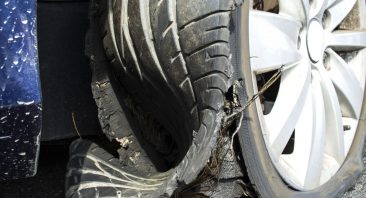

Florida is a no-fault state. This means that car accident victims first use their own Personal Injury Protection (PIP) coverage, regardless of fault. An Orlando car accident lawyer navigates PIP, the 14-day rule, and the tort threshold to maximize recovery.
How Florida’s No-Fault System Works
Florida’s no-fault insurance framework changes how compensation flows after a car accident.
Under Fla. Stat. § 627.736, all Florida drivers must carry at least $10,000 in Personal Injury Protection (PIP) coverage. After a crash, your own PIP pays first, regardless of who caused the accident. PIP covers 80% of reasonable medical expenses and 60% of lost wages, up to the policy limit.
Then, Florida’s insurance minimums are unusually low compared to other states. Florida requires only $10,000 in PIP and $10,000 in Property Damage Liability (PDL). The state does not require bodily injury liability (BIL) coverage. Many Florida drivers carry only the minimum, which can severely limit recovery in serious-injury crashes.
Some PIP policies have higher limits or stack across multiple vehicles in the household. Others have specific exclusions. A legal team could help you review the policy carefully.
Understanding the 14-Day Rule and Why It Matters
Florida’s no-fault system has a strict procedural deadline. Under Fla. Stat. § 627.736, residents must seek initial medical care within 14 days of the crash. If you miss this 14-day window, then PIP coverage may be denied entirely.
Unfortunately, our car accident attorneys in Orlando, FL, have worked with many crash survivors. They felt fine after the accident, but developed pain some time later. Soft tissue injuries, concussions, and back injuries may not show symptoms right away. By the time these symptoms emerge, the 14-day window may have closed.
Plus, documentation helps build your case. Records confirm that your injury existed because of the accident. The following treatments are examples of medical care.
- Visiting an emergency room or urgent care facility
- Seeking treatment from a primary care doctor
- Working with a licensed health care provider, like a chiropractor
What You Should Know About the Tort Threshold
Personal Injury Protection (PIP) may not cover everything. To pursue the at-fault driver directly, victims must meet Florida’s tort threshold.
There are four serious injury categories. Under Fla. Stat. § 627.737, plaintiffs can sue the at-fault driver outside PIP. But the injury must involve at least one of these four categories.
- Significant and permanent loss of an important bodily function
- Permanent injury within a reasonable degree of medical probability
- Significant and permanent scarring or disfigurement
- Death of a loved one
For example, a minor crash typically stays within PIP. A serious crash with permanent injuries may lead to a direct claim against the at-fault driver. They can recover damages beyond what PIP covers, including pain and suffering, future medical needs, and lost earning capacity.
This is why medical documentation is crucial. It supports a case to meet the threshold. Doctors’ reports, imaging, and specialist evaluations establish whether an injury meets the threshold. This is why the 14-day window and ongoing documentation matter so much.
When the threshold is met, there are two options. Recovery comes from the at-fault driver’s bodily injury liability coverage, or the victim’s own uninsured/underinsured motorist coverage. Both are also an option. An Orlando car accident attorney can check that all available coverage maximizes recovery.
How House Bill 837 May Affect Your Florida Car Accident Case
In 2023, Florida passed tort reform with House Bill 837. The House Bill changed the legal framework for car accident cases in significant ways. HB 837 affects negotiation, settlement, and trial strategy in every Florida car accident case.
Two-Year Statute of Limitations
HB 837 reduced Florida’s general personal injury deadline from four years to two years. The two-year clock applies to most Florida car accident claims. Unfortunately, missing this deadline may bar the claim entirely.
Modified Comparative Negligence
HB 837 changed Florida from a pure comparative negligence state to a modified comparative state. Plaintiffs 50% or less at fault recover proportionally reduced damages. But plaintiffs more than 50% responsible for an accident cannot recover.
Our trial team handles cases across Florida, including Orlando, West Palm Beach, and beyond. Book a free case review with one of our car wreck lawyers in Orlando, FL.
Common Questions About Orlando Car Accident Cases
How long do I have to file a car accident claim in Florida?
In Florida, you have two years from the date of the crash, as set by the post-HB 837 statute of limitations. Cases involving government entities have shorter, more specific notice deadlines. The best thing you can do is to meet with a personal injury attorney. They can help you determine which deadlines apply to your case.
Do I have to use my own insurance after a car accident in Florida?
Yes. First, Florida’s no-fault system requires you to use your own PIP coverage. To pursue the at-fault driver directly, you must meet the tort threshold.
What if I missed the 14-day deadline to see a doctor?
If you don’t seek initial medical care within 14 days of the crash, PIP benefits may be denied. However, you may still have a claim against the at-fault driver if your injury meets the tort threshold. An Orlando car accident lawyer can further evaluate the claim.
How much does an Orlando car accident lawyer cost?
Most plaintiff-side firms, including Alexander Shunnarah Trial Attorneys, work on a contingency fee basis. This means that you pay nothing at first. Instead, you only pay if your team wins a settlement or verdict in your favor.
Can I still recover if I was partly at fault for the accident?
Yes, you may be able to recover. Your percentage of fault reduces recovery. But your share of fault must be 50% or less under Florida’s post-HB 837 modified comparative negligence rule.
Trust Our Auto Accident Lawyers in Orlando, FL Today
Florida car accident cases rely on very different legal processes. Our auto accident lawyers have handled car accident cases across the state. We’ve held negligent drivers, insurers, and corporate defendants responsible for their actions. Schedule a free case review today.
Reviewed by Alexander Shunnarah, Attorney and Chief Executive Officer at Alexander Shunnarah Trial Attorneys, on 2026-11-23.