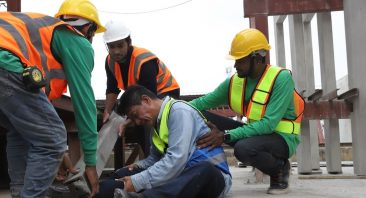

The location of a spinal cord injury determines the differences between a paraplegic and quadriplegic condition. For example, paraplegia affects the lower body; in comparison, quadriplegia affects all four limbs, because the injury is often higher. Both conditions, however, are life-changing.
Defining the Difference Between Paraplegia and Quadriplegia
Both conditions come from a spinal cord injury. The difference is where that injury happened, and how much of the body it affects.
Paraplegia
Paraplegia affects the lower half of the body, mainly the legs. Doctors typically find the injury in the middle or lower back. A person with paraplegia usually keeps full use of their arms and hands.
Quadriplegia
Also called tetraplegia, quadriplegia is more severe, usually involving the neck. It affects all four limbs, both arms and both legs. It comes from an injury to the neck, higher up on the spine.
| Paraplegia | Quadriplegia | |
|---|---|---|
| Body affected | Lower body, legs | All four limbs |
| Injury location | Mid or lower back | Neck |
| Arm and hand use | Usually normal | Often limited or lost |
| Breathing affected? | Usually no | Possible with high injuries |
How the Injury Level May Affect the Body
Doctors and medical personnel describe spinal injuries by level. The system typically uses a letter and a number. The injury level typically determines the patient’s capabilities, like mobility. However, “higher” injuries are usually more severe.
- Cervical (C1-C8) injuries affect the neck. They typically cause quadriplegia.
- Thoracic (T1-T12) injuries typically affect the upper and middle back. Injuries here cause paraplegia.
- Lumbar (L1-L5) injuries normally affect the lower back. Injuries here also affect the legs.
How the Differences Could Affect Your Case
Both paraplegia and quadriplegia are catastrophic injuries. But the difference between them can shape your claim’s value. For example, quadriplegia is often more expensive because it affects more of the body and requires more care. This may include full-time attendant care, special equipment, and sometimes a ventilator.
However, you shouldn’t assume that a paraplegic case is worth less. A young person with paraplegia may live for decades and need a lifetime of care, equipment, and home changes. So both types of injury can lead to major claims.
Both cases often need a “life care plan” from a medical expert. Our catastrophic injury and spinal cord injury attorneys work with these experts to value a claim correctly.
Compensation You May Recover in a Paraplegic or Quadriplegic Case
After a spinal cord injury, you may need a lifetime of care. Your claim should argue for full compensation, including medical costs. We’ve built and recovered claims for the following costs:
- Past and future medical bills
- Attendant or nursing care
- Home and vehicle modifications
- Assistive equipment, like a wheelchair
- Lost wages and lost earning ability
- Pain, suffering, and loss of enjoyment of life
A lifetime’s cost of care can reach several million dollars. Accurately calculating the full cost is critical. You often need a medical expert and an economist. Our guide on serious injury and catastrophic cases explains how we build them.
Frequently Asked Questions About Paraplegia and Quadriplegia
What is the difference between paraplegic and quadriplegic?
A paraplegic and quadriplegic diagnosis differs based on which part of the body paralysis affects. Paraplegia affects the lower body, mainly the legs. Quadriplegia, also called tetraplegia, affects all four limbs.
Is quadriplegia worse than paraplegia?
Quadriplegia is generally more severe than paraplegia because it affects more of the body. It paralyzes all four limbs and can affect breathing in high neck injuries. Paraplegia usually spares the arms and hands. However, both are serious, life-changing injuries; both can require lifelong care and lead to major legal claims.
What part of the spine causes quadriplegia?
An injury to the cervical spine typically causes quadriplegia at levels C1 through C8. An injury here typically affects both the arms and legs. This is different from paraplegia, where the injury is lower, in the thoracic or lumbar spine.
Can a quadriplegic recover any movement?
It depends on the injury. In a complete spinal cord injury, there is usually no movement or feeling below the level of injury. In an incomplete injury, some function may remain, and therapy may help improve the patient’s quality of life. Every case is different.
What is the leading cause of spinal cord injuries?
Motor vehicle crashes are a leading cause of spinal cord injuries. Unfortunately, falls are the second most common cause; a person’s risk increases as they age. Other causes include violence and sports injuries.
Trust Alexander Shunnarah Trial Attorneys Today
A spinal cord injury can change everything, including your quality of life and finances. You deserve full compensation for the care you will need. We build these complex cases with medical experts and fight for your future. Schedule a free case review today.
Reviewed by Alexander Shunnarah, Attorney and Chief Executive Officer at Alexander Shunnarah Trial Attorneys, on 2026-11-05.