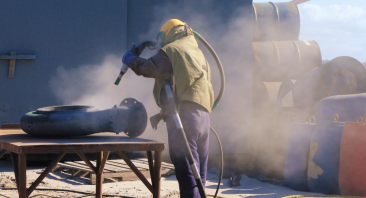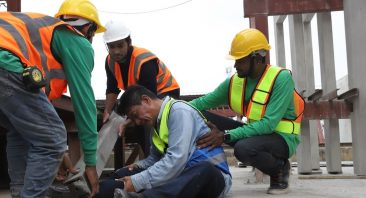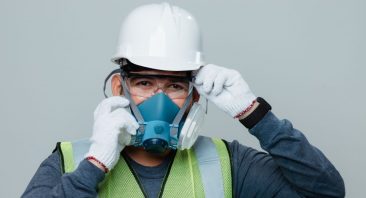

One mistake or malfunction can put you in danger on a construction site. The Bureau of Labor Statistics states that as many as 1,034 workplace deaths occurred in private-sector construction in 2024. Fast and careful action is critical after a construction accident at work.
What You Should Do Right After a Construction Accident
After a construction accident, protect your health and legal rights. Follow these steps as soon as possible.
- Seek medical care immediately. Even if you feel “okay”, you should visit a doctor’s office or hospital. You never know which injuries may appear later.
- Report the incident to your supervisor as soon as possible. We recommend that you also ask for it in writing.
- Document everything, including photos of the scene and injuries. You can never have enough documentation. Which leads into the next step…
- Get witness information. Record the names of coworkers who saw what happened.
- Keep all records. Save medical bills, reports, and anything related to the accident.
Why Reporting and Workers’ Comp Matter in a Claim
After a construction injury, you should file a workers’ compensation claim as soon as possible. Many states require you to report a work injury within a set time. Waiting too long can put your benefits at risk. So tell your supervisor as soon as possible, even if the injury seems minor.
Workers’ compensation pays for your medical care and part of your lost wages, no matter who was at fault. It’s usually the first source of help after a construction injury. Our workplace injury attorneys can help you file and avoid common mistakes.
Workers’ comp is no-fault, so you do not have to prove your employer did anything wrong. But it usually does not cover pain and suffering, which is where a lawsuit may come in.
How to File a Third-Party Claim
Did you know that you may be able to sue a party other than your employer? You could still collect workers’ compensation, too.
A typical job site includes general contractors, subcontractors, equipment makers, and property owners. If one of them caused your injury, you may have a claim against them. The law considers this a third-party claim.
Unlike workers’ comp, a third-party lawsuit can pay for full lost wages and pain and suffering. For a serious construction worker injury lawsuit, that can mean a much larger recovery. Our guide on third-party lawsuits and workers’ comp explains how the two work together.
So after a construction accident, you need to ask, “Did anyone besides my employer cause this?” A personal injury attorney can help build your case.
Common Questions About Construction Accidents at Work
What should you do after a construction accident at work?
First, you should get medical care, then report the injury to your employer. Document the scene and collect the witnesses’ information. By visiting a doctor, you protect your health and link your injury to the accident. Reporting quickly protects your right to workers’ comp.
How long do I have to report a construction injury?
Deadlines to report a construction injury vary by state. You should report a construction injury as soon as possible. Many states require written notice to your employer within days of the accident. Waiting too long can delay or even deny your benefits.
Can I sue if I was hurt on a construction site?
Often, yes, you can sue if you were hurt on a construction site. You may have both workers’ compensation and a third-party lawsuit as options. The third-party may include a subcontractor, an equipment maker, or a property owner.
Unlike workers’ comp, a lawsuit can cover pain and suffering and full lost wages. An attorney can identify every party who may owe you.
What should I do after a construction accident if my employer will not help?
Protect yourself by seeking legal advice from a skilled attorney. Keep your own records, seek medical care, and report the injury in writing. An employer cannot legally punish you for filing a workers’ comp claim. An attorney can step in if your employer or their insurer treats you unfairly.
Does workers’ comp cover a construction accident?
Yes, workers’ compensation usually covers injuries from a construction accident, regardless of who was responsible. It pays for medical care and part of your lost wages. However, it doesn’t cover pain and suffering.
If another party caused your injury, a separate lawsuit may recover more. An attorney can review all your options.
Trust Alexander Shunnarah Trial Attorneys Today
Construction is one of the most dangerous jobs in the country. A single accident can change your life, and you shouldn’t have to face the costs alone. We handle your claim, pursue every party at fault, and fight for your full recovery. These are only a few major settlements we’ve won in similar cases:
- $3,000,000 Settlement in a Workplace Accident Claim With a Catastrophic Injury
- $3,000,000 Settlement in a Construction Site Accident With a Catastrophic Injury
- $1,500,000 Settlement in a Road Construction Accident
Have you been injured on a construction site? Schedule a free case review today.
Reviewed by Alexander Shunnarah, Attorney and Chief Executive Officer at Alexander Shunnarah Trial Attorneys, on 2026-10-20.