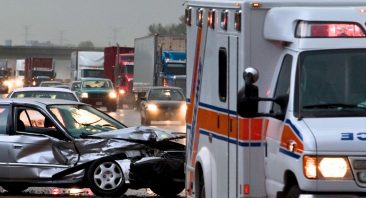

Utility vehicle accidents involve trucks operated by electric, gas, water, cable, and telecom companies. According to the National Highway Traffic Safety Administration (NHTSA), thousands of commercial vehicle crashes occur each year across the United States. Commercial vehicle cases often involve multiple liable parties, including the driver, the utility company, and sometimes government entities.
What Types of Utility Vehicles are Involved in Accidents?
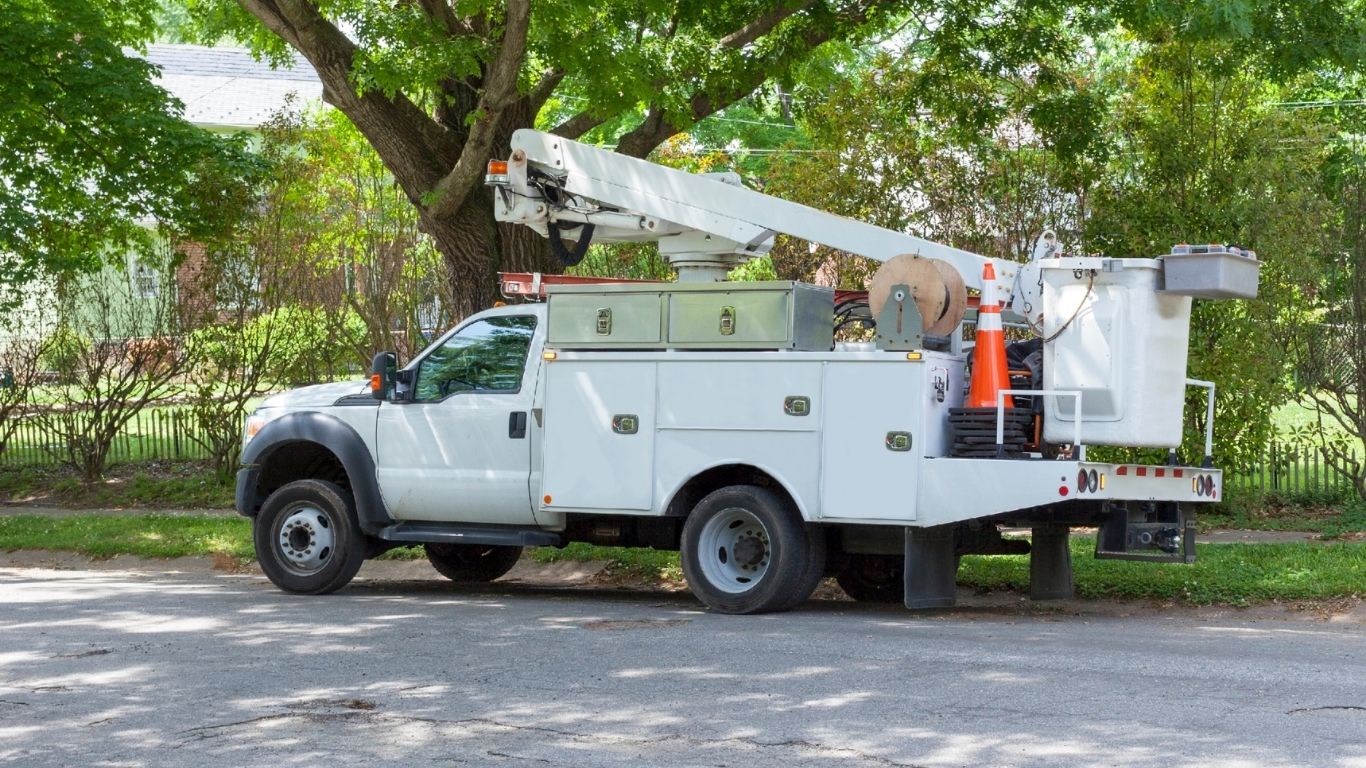
Utility vehicles come in many shapes and sizes, and each vehicle is different. Common types of utility vehicles include bucket trucks, service trucks, and meter service vans.
- Bucket trucks, or aerial lift trucks, are used by electric, cable, and telecom crews. Extended buckets can hit low bridges, signs, or other vehicles.
- Digger derricks are heavy trucks used to install utility poles. Large blind spots and heavy loads make them dangerous.
- Service trucks are standard trucks used by utility crews. Often loaded with tools and equipment.
- Line trucks are used by electric companies for wire installation and repair. They’re frequently double-parked or stopped on roadways.
- Vacuum trucks, used by water and sewer utilities, are heavy and slow to maneuver.
- Meter service vans are smaller vehicles used by gas, water, and electric meter readers.
Utility vehicles are involved in crashes for many reasons. So, the most common causes include the following:
- Backing accidents (a major cause)
- Buckets extended into traffic
- Improper parking on roadways
- Fatigue from long storm-response shifts
- Distracted driving
- Falling tools or equipment
- Blind spots on large trucks
Have you been hurt in an accident involving a commercial or utility vehicle? Alexander Shunnarah Trial Attorneys can help. Our commercial vehicle accident team handles cases involving all types of utility vehicles.
Determining Liability in a Utility Truck Accident
Multiple parties may share liability when a utility vehicle causes injury.
Parties Who May Be Liable
Party | When They May Be Liable |
|---|---|
| Utility driver | Negligent driving, distraction, fatigue, or improper training |
| Utility company | For employee driver negligence under respondeat superior |
| Contractor company | For contractor driver negligence (many utility work is outsourced) |
| Parent utility | Under agency or control theories against the hiring utility |
| Vehicle manufacturer | Defective brakes, safety systems, or aerial lift equipment |
| Maintenance company | For failure to inspect or repair equipment properly |
| Government agency | For municipal utilities or road design failures |
| Other drivers | If another vehicle contributed to the crash |
Many utility companies use both employees and independent contractors as truck drivers. Utility companies are liable for their employee drivers under respondeat superior. In comparison, contractor companies are directly liable. But the parent utility may also share liability under certain legal theories.
A single utility crash may involve overlapping causes, like driver fatigue and defective equipment. Each factor can add another liable party. For more on how these cases work, see our article on how personal and commercial vehicle accident claims differ.
How Service Vehicle Accidents Differ From Other Collisions
Not all utilities are private companies. Instead, many government agencies own or operate utility companies. For example, city-owned utilities, county water authorities, and municipal power companies are government agencies. Accidents involving these vehicles trigger special legal rules.
Sovereign Immunity
Government agencies have some protection from lawsuits. Every state limits how, when, and how much you can sue a government utility.
Notice Requirements
Most states require injured people to give the government written notice of a claim within a short window. Missing this deadline can permanently bar your claim.
Damage Caps
Some states cap the total damages you can recover against a government agency.
Investor-Owned Utilities
Large utilities like Duke Energy, Southern Company, and Verizon are private corporations. Standard personal injury rules typically apply. Also, no sovereign immunity or damage caps may apply beyond ordinary tort limits.
Notice deadlines for public utility accidents are much shorter than standard personal injury deadlines. If you were hit by a city or municipal utility vehicle, contact an attorney immediately to protect your rights.
Rural Electric Cooperatives
Some utilities are neither pure government nor pure private. Legal rules may vary. An attorney can identify which category applies.
Are you interested in learning more about what these cases involve? Read our article on how to file a truck accident lawsuit.
Damages You May Recover in a Utility Vehicle Accident
Injured victims of utility vehicle crashes can recover several types of damages. Generally, damages may be economic or non-economic, depending on where you live.
| Damage Type | What It Covers | Examples |
|---|---|---|
| Economic damages | Real, out-of-pocket losses | • Medical expenses (past and future) • Lost wages and lost earning capacity • Rehabilitation and long-term care costs • Property damage to your vehicle • Home modifications for permanent disabilities |
| Non-economic damages | Losses without a specific dollar value | • Pain and suffering • Emotional distress • Loss of enjoyment of life • Permanent scarring or disfigurement |
| Punitive damages | Penalties for gross negligence, recklessness, or intentional misconduct | • Skipping mandatory safety training • Ignoring maintenance rules • Violating federal safety regulations can support punitive claims |
| Wrongful death damages | Recoverable by surviving family members after a fatal utility crash | • Funeral expenses • Lost financial support • Loss of companionship |
Utility companies typically carry large commercial insurance policies. When multiple defendants apply, layered policies can support fuller compensation for serious injuries.
Frequently Asked Questions About Utility Truck Crashes
Who is liable in a utility vehicle accident?
After a utility vehicle accident, different parties may be responsible, such as the driver or the utility company. A single crash often involves overlapping causes and multiple liable parties. Other examples include the contractor, vehicle manufacturer, or maintenance company.
What should I do after being hit by a utility company truck?
First, you should get medical care immediately. Then, you should report the accident to the police and the utility company. Get contact information from witnesses. Meet with an experienced attorney to identify liable parties and preserve evidence.
Can I sue a city or municipal utility?
Yes, but special rules apply if you file a lawsuit. Government agencies have some protection under sovereign immunity. Damage caps may also limit recovery. An attorney can navigate these rules to protect your claim.
What is the difference between a public utility and an investor-owned utility?
Generally, government agencies typically own public entities. Examples include city power companies, county water authorities, and municipal gas companies. However, investor-owned utilities are private corporations.
How long do I have to file a utility vehicle accident claim?
Your deadline for a personal injury claim will vary by state. Then, government utility claims often require notice within 6 months to 1 year. Missing any applicable deadline usually bars the claim entirely. An attorney can identify all deadlines that may apply.
What if a utility contractor caused the crash?
Many utility companies use independent contractors for line work, meter reading, and equipment repair. Contractor companies are directly liable for their driver negligence. However, the parent utility may also share liability under agency, apparent agency, or control theories.
What insurance covers a utility company truck crash?
Utility companies typically carry commercial policies with substantial limits. Also, contractors carry their own policies. Multiple policies could apply to one accident. To clarify your legal options, you should meet with an attorney.
Trust Alexander Shunnarah Trial Attorneys Today
Overall, utility vehicle cases involve complex liability, strict deadlines, and multiple corporate and government defendants. But you have legal options. Our trial team handles commercial vehicle and utility accident cases nationwide. Schedule a free case review today.
Reviewed by Alexander Shunnarah, Attorney and Chief Executive Officer at Alexander Shunnarah Trial Attorneys on 2026-07-09.