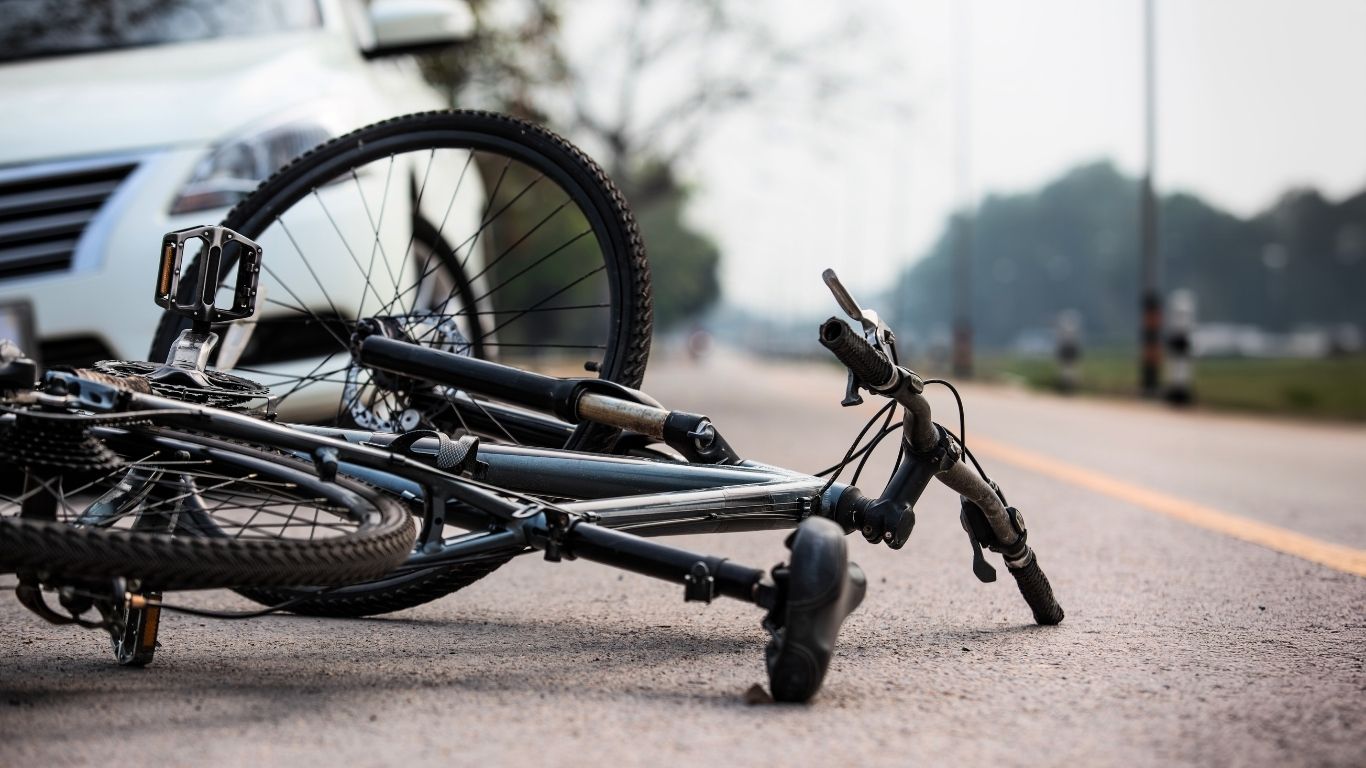

Personal injury protection (PIP) is a type of no-fault car insurance. The insurance pays your medical bills and lost wages after an accident, no matter who caused it. In Florida, drivers must carry at least $10,000 in PIP coverage under Florida Statute § 627.736. To qualify, they must seek care within 14 days of a crash.
Understanding Personal Injury Protection (PIP)
Personal injury protection (PIP) helps pay your medical bills and lost income after a crash. Its key feature is that it is “no-fault.” This means that it pays you, no matter who caused the accident.
A No-Fault System
In no-fault states, you turn to your own PIP coverage first, instead of the other driver’s insurance. As a result, you receive money quickly for treatment, without waiting to prove who was to blame. Florida is a prime example of a no-fault system.
Where PIP Applies
About a dozen states use some form of no-fault insurance, and Florida is one of them. Depending on your state, PIP may be optional or required. What PIP covers and how much it pays depends heavily on your state’s law.
What PIP May Cover in Florida
Florida is a no-fault state, so PIP is a required part of car insurance. Every driver must carry at least $10,000 in PIP coverage under Florida Statute § 627.736.
| Benefit | What PIP Covers |
|---|---|
| Medical expenses | 80% of reasonable, necessary medical bills |
| Lost wages | 60% of lost income |
| Death benefit | $5,000 |
| Combined limit | Up to $10,000 total |
The Emergency Condition Rule
You only get the full $10,000 if a doctor decides you have an “emergency medical condition.” Otherwise, your medical benefits are capped at only $2,500.
However, PIP doesn’t cover everything from your accident. PIP won’t pay for your pain and suffering, damage to your own car, or damage to other people’s property. For those losses, you may need to look beyond PIP. Our guide to Florida’s no-fault insurance explains how the system works in more detail.
What is the 14-Day Rule?
Florida has one deadline that catches accident victims off guard more than any other: the 14-day rule. Under Florida Statute § 627.736, you must receive initial medical care within 14 days of your accident. If you wait longer, you could lose your PIP medical coverage entirely, even if your injuries are severe.
Under Florida’s 14-day rule, if you miss your first medical visit, you risk your PIP medical benefits. No exceptions, even for injuries that show up later.
Many injuries, like whiplash or concussions, don’t appear right away. People often feel “fine” after a crash and wait to see a doctor. By then, the window may have closed. If you’re hurt in a car accident in Florida, you should visit a doctor quickly to protect your claim.
How to File for Personal Injury Protection Benefits
Timing matters at every part of the PIP claim process. Follow these steps to make sure you take full advantage of your PIP benefits.
- Get initial medical care within 14 days of the crash
- Notify your own insurance company as soon as possible
- Give your providers your PIP insurance information
- Keep copies of all bills, records, and wage-loss documents
Unfortunately, PIP has a low limit and doesn’t cover emotional damages. If your injuries are serious, Florida law may let you step outside the no-fault system and file a claim against the at-fault driver. This usually requires meeting a legal threshold, such as a permanent injury or significant scarring.
If you need to file a lawsuit, Florida generally gives you two years from the crash under Florida Statute § 95.11. An attorney can help you use your PIP benefits and, when needed, pursue the at-fault driver for the rest.
Common Questions About Personal Injury Protection
What is personal injury protection (PIP)?
Personal injury protection, or PIP, is no-fault car insurance. It pays your medical bills and part of your lost wages after an accident. Whether or not it’s required depends on your state of residence. For example, in Florida, PIP provides up to $10,000 in combined medical and disability benefits.
Is PIP required in Florida?
Yes, because Florida is a no-fault state. Most drivers must carry at least $10,000 in PIP coverage, plus $10,000 in property damage liability, under Florida Statute § 627.736. Despite repeated attempts to repeal it, PIP remained mandatory as of the 2026 legislative session. If you register a vehicle in Florida, you generally must carry PIP.
What does personal injury protection cover?
Personal injury protection covers 80% of reasonable and necessary medical expenses. It also covers 60% of lost wages, totalling a combined $10,000 in Florida. It also includes a $5,000 death benefit.
PIP does not cover pain and suffering, damage to your own vehicle, or damage to other people’s property. The full $10,000 medical benefit requires an emergency medical condition diagnosis.
What is the 14-day rule in Florida?
The 14-day rule requires you to receive initial medical care within 14 days of a car accident to qualify for PIP medical benefits. Under Florida Statute § 627.736, if you miss this window, you could lose your PIP medical coverage completely. Exceptions aren’t allowed, even for injuries that may appear days after the crash.
Does PIP cover pain and suffering?
No, PIP doesn’t cover pain and suffering or other non-economic damages. Instead, PIP only pays for medical bills, lost wages, and a death benefit, up to the policy limit. To leave Florida’s no-fault system, you need to meet the serious injury threshold. Then you can file a claim against the at-fault driver.
Trust Alexander Shunnarah Trial Attorneys Today
Florida’s PIP system pays fast, but its $10,000 limit rarely covers a serious injury. One missed deadline can cost you everything. Our firm helps accident victims use their PIP benefits and pursue at-fault drivers when PIP is not enough. Schedule a free case review today.
Reviewed by Alexander Shunnarah, Attorney and Chief Executive Officer at Alexander Shunnarah Trial Attorneys on 2026-08-04.