
Most hair relaxer lawsuits claim that chemical hair straighteners may cause cancer. For example, a 2022 NIH study found that women who regularly used these products had about 2.5 times the risk of uterine cancer. On November 16, 2026, four women settled with L’Oréal USA and other manufacturers. More than 12,000 cases are currently pending in federal court.
Understanding the Hair Relaxer Lawsuit and Mass Torts
Many of our clients misunderstand that there isn’t a single hair relaxer lawsuit. Instead, a federal court organized these claims into MDL 3060. As of late 2026, more than 12,000 cases are in progress, and the number grows each month.
Plaintiffs file claims against both manufacturers and sellers, like L’Oréal and Revlon. You don’t file a mass tort against your hairstylist or salon.
How Science Builds Hair Relaxer and Cancer Lawsuits
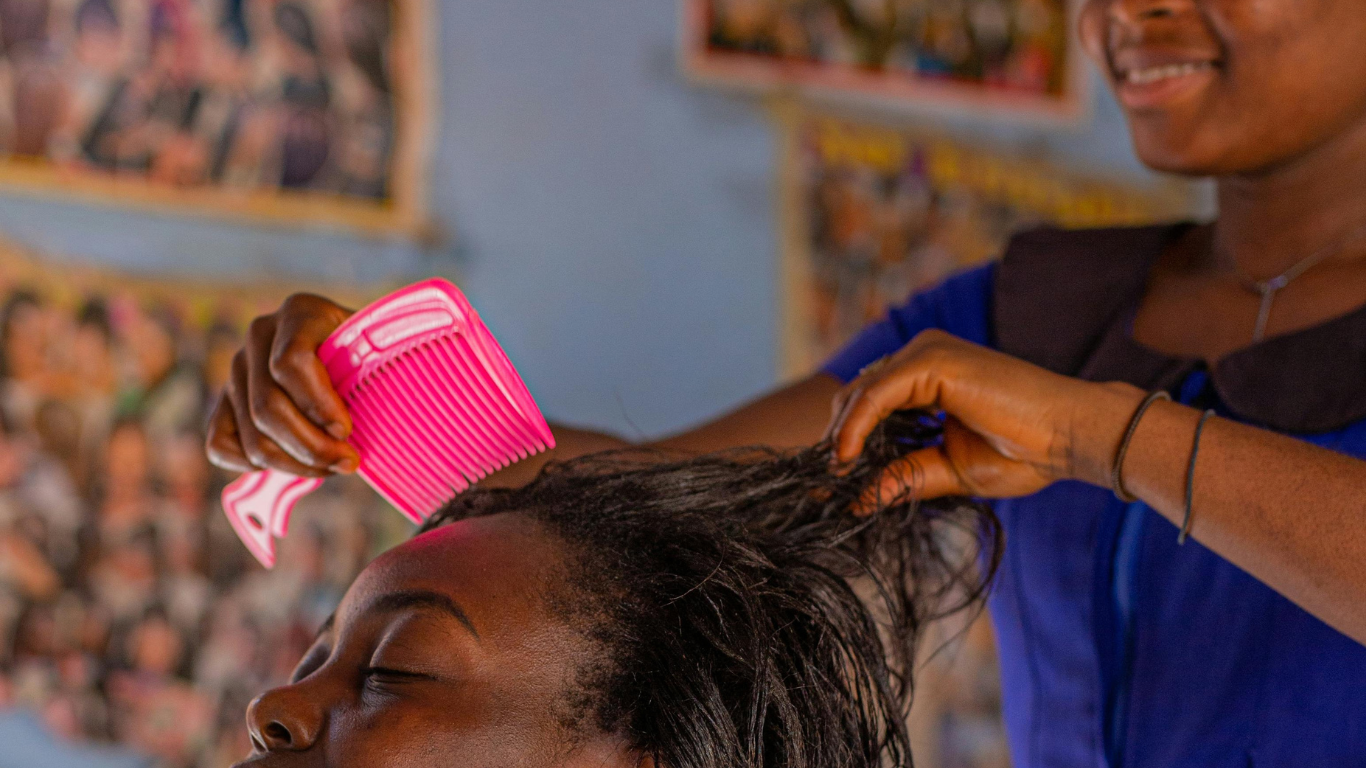
Relaxers can contain formaldehyde and other toxic chemicals that may disrupt hormones. The Food and Drug Administration (FDA) has said it plans to propose a rule banning formaldehyde in certain heated hair-smoothing products. Please note that the rule has yet to be issued.
The NIH Sister Study
In 2022, the National Institutes of Health (NIH) published a study of more than 33,000 women. It found that women who used chemical straighteners more than four times a year had about 2.5 times the risk of uterine cancer.
Note that the study found a link, not a final confirmation. So it showed a strong association between relaxers and cancer, which is the heart of these cases.
These products have been marketed heavily to Black women for decades, who now make up most of the plaintiffs.
Determining Eligibility for a Hair Relaxer Lawsuit
You’re not guaranteed to have a claim, even if you’ve used a hair relaxer before. The key is regular use followed by a cancer diagnosis. You may qualify if you meet the following criteria:
- Used chemical hair relaxers or straighteners regularly, often for years
- Began to use them over a long period of time
- You were later diagnosed with uterine, endometrial, or ovarian cancer
Other Possible Conditions
Some claims also involve uterine fibroids that led to surgery, such as a hysterectomy. If you are unsure whether your diagnosis counts, an attorney can review your history. With a product injury and hair straightener and relaxer claim, your case will depend on your medical records.
Deadlines for Hair Relaxer Lawsuits
Hair relaxer cases are complicated, especially because so many are already underway. But certain misconceptions don’t help either, including the idea of class actions. Before coming through our doors, many people believe a hair relaxer lawsuit is a “class action,” but it isn’t. Instead, each plaintiff keeps her own case, grouped with others for shared steps.
Do You Know Your Deadline?
Every state has a filing deadline for hair relaxer lawsuits. In Alabama, you generally have two years under Ala. Code § 6-2-38. Because cancer appears long after use, the clock often starts when you learn of the link. Much like a hair salon injury claim, timing and evidence matter. So do not wait to ask.
Common Questions About the Hair Relaxer Lawsuit
Is the hair relaxer lawsuit still active in 2026?
Yes, the hair relaxer lawsuit is active in 2026. As of late 2026, more than 12,000 cases are pending in a federal court in Illinois, known as MDL 3060. No trials have been held and no settlement has been reached. The first test trial is set for September 2027, and new claims are still being filed.
Who qualifies for a hair relaxer lawsuit?
You may qualify for a hair relaxer lawsuit if you used chemical hair relaxers or straighteners regularly. Then, you were later diagnosed with uterine, endometrial, or ovarian cancer. Some claims also involve uterine fibroids that required surgery. An attorney can review your product use and diagnosis to confirm whether you qualify.
What cancer is linked to hair relaxers?
Chemical hair relaxers are most strongly linked to uterine cancer, also called endometrial cancer. A 2022 NIH study found frequent users had about 2.5 times the risk. The lawsuits also include claims of ovarian cancer and uterine fibroids. These conditions are the focus of hair relaxer uterine cancer claims now in federal court.
What brands are named in the hair relaxer lawsuit?
Several major companies are named in the hair relaxer lawsuit. They include L’Oréal, Revlon, Strength of Nature, Namaste Laboratories, and Avlon Industries, among others. The claims are against the makers and sellers of the products, not against salons or stylists. An attorney can help identify which named products you may have used.
Trust Alexander Shunnarah Trial Attorneys Today
For years, women trusted these products without knowing the risks. Now research has linked them to serious cancers. Alexander Shunnarah Trial Attorneys is joining the fight to hold these companies accountable.
If you used chemical hair relaxers and were later diagnosed with cancer, you may have a claim. Schedule a free case review today.
Reviewed by Alexander Shunnarah, Attorney and Chief Executive Officer at Alexander Shunnarah Trial Attorneys, on 2026-11-16.