
A trip to the hair salon should not leave you with a burned scalp or a broken wrist. But, if a stylist’s carelessness hurts you, a hair salon injury lawsuit can hold the salon responsible. The best thing you can do is to meet with a personal injury attorney.
Common Injuries Reported in Hair Salon Lawsuits
Salons handle strong chemicals and hot tools all day. So injuries are more common than most people think. Here are the ones we see most.
Chemical Burns
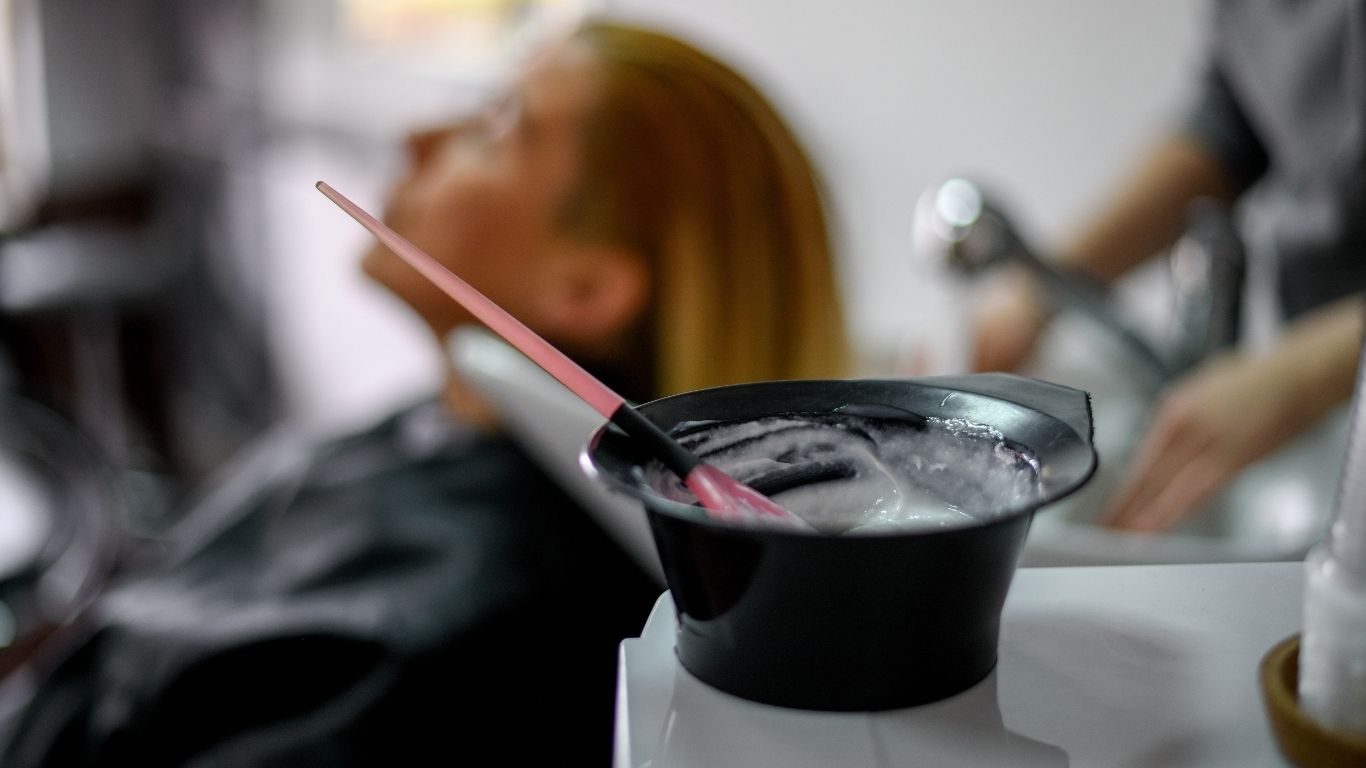
Hair dye, bleach, and relaxers can burn your scalp, skin, and eyes. If a stylist mixes a strong product or leaves it on too long, you may develop blistering, scarring, or permanent bald spots.
Thermal Burns
Flat irons, curling irons, and hot wax may burn your scalp, neck, or ears. The burn can vary in intensity.
Slip and Fall Accidents
Water, spilled products, and hair clippings easily turn salon floors into fall risks. A fall on a hard floor can break a wrist or cause worse injuries.
Cuts and Other Injuries
Scissors and razors slip. Products cause allergic reactions and hair loss. Even the shampoo bowl can strain your neck if you lean back too long.
The Food and Drug Administration (FDA) lists resources about hair dyes, straighteners, and other hair products. The FDA warns that hair dyes and relaxers can injure the skin, hair, and eyes. So these are not minor risks.
Determining Liability for a Hair Salon Injury
More than one party can be at fault when a salon visit goes wrong. An attorney may build a claim against the salon, the stylist, or the product manufacturer.
The Salon
The salon may be liable for hiring untrained staff, skipping safety steps, or letting the floor stay wet and slippery. Many of these cases fall under premises liability or plain hair salon negligence.
The Stylist
The person who worked on your hair may share the blame. If a stylist rushed, used the wrong product, or ignored your pain, that carelessness can support a claim.
The Product Maker
Sometimes the product itself is the problem. If a dye or relaxer was defective or mislabeled, the company that made it may owe you. That is why saving the bottle matters.
Sorting out who is responsible takes a close look at what happened. The best thing you can do is meet with a personal injury attorney.
How Do You Prove a Hair Salon Injury Case?
To win, you have to prove two things. First, that the salon was careless. Then, its carelessness hurt you. Good evidence, like photographs and records, make a major difference in a personal injury claim.
- Photos of your injury, taken right away and as it heals
- The product used, or a photo of the bottle and label
- Your medical records tying the injury to the visit
- The names of any witnesses, like other clients or staff
For a fall, the big issue is whether the salon knew about the hazard, or should have known, and did nothing. Our guide on how to prove a slip and fall case explains that idea in plain terms.
Evidence fades fast. A wet floor gets mopped. A burn heals… So the sooner you document what happened and talk to a lawyer, the stronger your case.
Frequently Asked Questions About Hair Salon Injuries
Can I file a hair salon injury lawsuit?
Yes, you may be able to file a hair salon injury lawsuit if a salon’s carelessness hurt you. Common claims involve chemical burns, thermal burns, slips, and cuts. You could have a case against the salon, the stylist, or the maker of a defective product. An attorney can tell you who may be responsible.
Can I sue a salon for a chemical burn?
Yes, you can sue a salon for a chemical burn if an employee’s negligence hurt you. These burns can cause scarring, hair loss, and eye damage. A personal injury attorney can help you build a strong case, including collecting evidence.
Who is liable for a hair salon injury?
In a salon chemical burn lawsuit, several parties could be responsible. For example, the salon may be at fault for untrained staff. The stylist may share blame for careless technique. The best thing you can do is to meet with an attorney.
What is hair salon negligence?
Hair salon negligence means the salon or stylist failed to use reasonable care and hurt a client as a result. Examples include skipping a required patch test, using the wrong chemical mix, or leaving a wet floor unmarked. To win, you must show that this carelessness directly caused your injury and your damages.
How long do I have to file a hair salon injury lawsuit?
In Alabama, you generally have two years to file a hair salon injury lawsuit under § 6-2-38. Product liability claims, or cases against a government-run facility like a beauty school, may follow different deadlines.
Trust Alexander Shunnarah Trial Attorneys Today
You trusted a salon and its employees to provide a service. Your day shouldn’t end with a severe burn or worse. When a salon’s carelessness hurts you, we hold them accountable. Schedule a free case review today.
Reviewed by Alexander Shunnarah, Attorney and Chief Executive Officer at Alexander Shunnarah Trial Attorneys, on 2026-09-25.